You Won’t Believe What Philly’s Local Gems Are Hiding
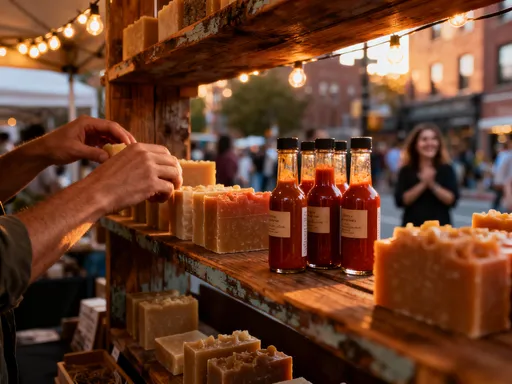
Philadelphia isn’t just about cheesesteaks and history—it’s a treasure trove of unique, locally-made goods you won’t find anywhere else. I hit the streets, markets, and hidden workshops to uncover what makes this city’s specialty products truly special. From handcrafted soaps in Fishtown to small-batch hot sauces in South Philly, the real magic lies in the makers and their stories. This is more than shopping—it’s connection, culture, and authenticity in every jar, stitch, and bite.
The Soul of Philly in a Jar: Exploring Artisan Food Creations
Philadelphia’s artisan food scene pulses with creativity, tradition, and a deep respect for ingredients. In recent years, the city has become a hub for small-batch producers who treat food as both craft and heritage. These aren’t just condiments or pantry staples—they are edible narratives, each shaped by personal history, regional agriculture, and culinary experimentation. At the heart of this movement is a commitment to quality, sustainability, and community. Whether it’s a jar of fermented hot sauce aged in oak barrels or a bottle of wildflower honey harvested from rooftop hives, these creations reflect a city that values flavor with a story.
One standout example is the growing number of fermentation specialists in neighborhoods like Point Breeze and East Passyunk. These artisans use time-honored techniques to craft hot sauces, pickles, and kombucha, often incorporating peppers grown at local urban farms. The result? Bold, complex flavors that surprise even seasoned palates. A popular small-batch hot sauce brand, for instance, sources its ghost peppers from a cooperative farm in nearby Chester County, then ferments them for six weeks using a family recipe inspired by Caribbean traditions. The slow process enhances depth and umami, distinguishing it from mass-produced alternatives. Customers don’t just buy heat—they buy patience, care, and connection to the land.
Equally impressive is the resurgence of handmade pasta makers in South Philadelphia. These artisans roll and cut noodles daily, using bronze dies and low-temperature drying methods that preserve texture and absorb sauce beautifully. Many blend durum wheat with locally milled heritage grains, adding subtle nuttiness and supporting regional farmers. Some even incorporate natural dyes—spinach for green fettuccine, beetroot for rosy ravioli—creating visually striking yet entirely natural products. Sold at farmers’ markets and specialty grocers, these pastas are more than ingredients; they are edible art, shaped by hands that honor tradition while embracing innovation.
Reading Terminal Market remains a central stage for this culinary renaissance. Opened in 1893, the historic market has evolved into a living showcase of Philadelphia’s food diversity. Among its bustling stalls, visitors find Amish bakers selling fresh pretzels, cheesemongers aging locally produced cheddar, and beekeepers offering raw honey infused with thyme or lavender. Seasonal pop-ups highlight new artisans, from mushroom jerky makers to small-batch maple syrup producers using sap from Pennsylvania woodlands. The market isn’t just a place to shop—it’s where tradition meets experimentation, and where every purchase supports a real person with a real story.
Crafted with Care: The Rise of Local Makers and Artisans
Beyond food, Philadelphia’s creative spirit thrives in its community of independent makers. From hand-thrown ceramics to hand-stitched leather goods, the city’s artisans are redefining what it means to produce with purpose. These creators are not chasing trends—they are building legacies, one carefully made item at a time. Their studios, often tucked into converted warehouses or repurposed storefronts, serve as both workshops and sanctuaries, where attention to detail and passion for process reign supreme. What unites them is a shared belief: that well-made things matter, and that craftsmanship fosters connection.
In Northern Liberties, a neighborhood once defined by industrial decline, a new generation of makers has transformed vacant spaces into vibrant creative hubs. Here, potters shape mugs and bowls on spinning wheels, each piece bearing slight variations that celebrate the human touch. Glazes are mixed by hand, often using natural minerals that create earthy tones reminiscent of the Pennsylvania countryside. Some artists incorporate local clay into their work, grounding their creations in the region’s geology. These ceramics aren’t just functional—they are heirloom-quality objects meant to be used, cherished, and passed down.
Leatherworkers in West Philadelphia are also gaining recognition for their meticulously crafted bags, wallets, and journals. Using vegetable-tanned leather sourced from U.S. tanneries, they cut, stitch, and finish each piece by hand. The process can take hours, even days, but the result is durable, beautiful, and deeply personal. Many artisans offer customization—initials, color choices, or unique hardware—making each item a one-of-a-kind expression of identity. These creators often host open studio events, inviting the public to watch demonstrations and ask questions. In doing so, they demystify the craft and strengthen the bond between maker and user.
Candlemakers, too, are flourishing across the city, blending scent, science, and storytelling. Unlike mass-market candles filled with synthetic fragrances and paraffin wax, Philly’s artisanal versions use soy or beeswax and essential oils. Scents are thoughtfully composed—“Autumn in Fairmount,” for example, combines apple, cinnamon, and cedar to evoke crisp park walks, while “Riverfront Rain” blends petrichor, moss, and ozone for a grounding, earthy aroma. Labels often include notes about inspiration, such as a favorite neighborhood or a seasonal memory, turning each candle into a sensory postcard. These small luxuries are more than home decor—they are moments of calm, crafted with intention.
Beyond the Cheesesteak: Uncovering Unexpected Culinary Specialties
While the Philly cheesesteak enjoys global fame, the city’s true culinary soul lies in its lesser-known specialties—humble, beloved, and deeply rooted in community. These are the foods passed down through generations, shaped by immigrant traditions and regional agriculture. They may not dominate postcards, but they define everyday life for locals. From the flaky layers of an Amish soft pretzel to the dense richness of a black & white cookie, these treats offer a more complete picture of Philadelphia’s food identity—one built on diversity, resilience, and shared ritual.
In the Reading Terminal Market and neighborhood bakeries across South Philly, Amish soft pretzels remain a staple. Baked fresh multiple times a day, they boast a chewy interior and a slightly crisp, golden-brown crust, often sprinkled with coarse salt. Unlike their hard, packaged counterparts, these soft versions are best eaten warm, ideally with a side of yellow mustard. Many of the bakers trace their recipes to Lancaster County, where Pennsylvania Dutch traditions have been preserved for over a century. The process is labor-intensive—dough is twisted by hand, dipped in alkaline solution, and baked to perfection—but the result is a simple, satisfying snack that connects modern Philadelphians to a long agricultural heritage.
Another quietly iconic treat is the black & white cookie, a dome-shaped bakery classic with half vanilla and half chocolate icing. Found in Jewish delis and corner bakeries alike, these cookies are a symbol of the city’s Eastern European influences. Though often overlooked by tourists, they hold a special place in local hearts—served at family gatherings, enjoyed with coffee, or packed in school lunches. Some modern bakeries have elevated the classic with gourmet touches, such as using dark chocolate couverture or adding a hint of orange zest to the batter. Yet even in its simplest form, the black & white cookie represents comfort, continuity, and the quiet joy of a well-made confection.
For the more adventurous palate, scrapple offers a taste of Pennsylvania’s farming past. This savory loaf, made from pork trimmings, cornmeal, and spices, was originally created as a way to use every part of the animal. Sliced and pan-fried until crispy, scrapple delivers a rich, peppery flavor that pairs perfectly with eggs and toast. While it may not be for everyone, it remains a point of pride for many families in the region, especially those with German or Dutch roots. Today, small producers are reimagining scrapple for contemporary tastes—offering maple-infused versions or gluten-free blends—while still honoring its resourceful origins. Eating scrapple isn’t just a meal; it’s a nod to a culture of thrift, ingenuity, and respect for food.
Markets as Meeting Places: Where to Find Authentic Philly Products
Philadelphia’s markets are more than places to shop—they are living rooms for the community, where neighbors meet, stories are shared, and culture is preserved. These vibrant spaces serve as launchpads for small producers and gathering spots for residents seeking authenticity. Unlike sterile supermarkets or generic gift shops, local markets pulse with energy, character, and human connection. They are where artisans test new products, where chefs source ingredients, and where visitors can truly taste the city’s spirit. For anyone seeking genuine Philly-made goods, these markets are essential destinations.
Reading Terminal Market, located inside the historic Broad Street Station, remains the city’s most iconic food market. With over 80 vendors under one roof, it offers an unmatched variety of regional specialties. From fresh oysters at the seafood counter to handmade sausages at the Amish stand, every stall tells a story. The market’s longevity—over 130 years—speaks to its role as a cultural anchor. Locals come not just to shop, but to see familiar faces, exchange news, and enjoy a meal at the communal tables. For visitors, the best time to visit is mid-morning on a weekday, when the crowds are manageable and the baked goods are still warm. To spot authentic vendors, look for those who grow, bake, or craft their products themselves—many will happily explain their process if asked.
Headhouse Farmers Market, held every Saturday in Society Hill, offers a more seasonal experience. Nestled beside the historic Headhouse Square, this open-air market features local farmers, bakers, and artisans. Unlike tourist-heavy areas, it draws a loyal neighborhood crowd, making it an ideal place to discover hidden gems. Vendors often rotate based on harvest cycles, so returning visitors might find fresh asparagus in spring, heirloom tomatoes in summer, or apple butter in fall. The market also hosts cooking demos and live music, reinforcing its role as a community hub. Shoppers can find everything from raw milk cheeses to hand-poured soy candles, all produced within 100 miles of the city.
Flea for Life, a nonprofit vintage and craft market held monthly in Kensington, takes a different approach. Focused on sustainability and social impact, it features upcycled goods, handmade jewelry, and repurposed furniture. Proceeds support animal welfare organizations, adding a layer of purpose to every purchase. The market’s eclectic vibe attracts creative locals and bargain hunters alike, creating a lively, inclusive atmosphere. While it may not specialize in food, it exemplifies how Philadelphia’s markets blend commerce with community values. Whether buying a hand-stitched tote or a restored lamp, shoppers contribute to a larger mission—one that values people, planet, and craftsmanship.
The Neighborhood Effect: How Location Shapes Specialty Goods
In Philadelphia, geography is destiny—not just for people, but for products. Each neighborhood carries its own identity, shaped by history, immigration, and local economy, and this identity infuses the goods made within its borders. You won’t find Puerto Rican coffee blends in Center City cafes or Polish water ice in West Philly—these specialties emerge organically from the communities that call these areas home. The result is a city where every corner offers something distinct, where flavor and craft are as much about place as they are about ingredients.
Take Port Richmond, once a hub for Polish and German immigrants. Today, the neighborhood is known for its authentic water ice stands, where families have served fruity, icy treats for generations. Made with real fruit puree and less air than commercial versions, these water ices are denser, more flavorful, and deeply nostalgic for longtime residents. Flavors like lemon, cherry, and raspberry are staples, but some stands offer seasonal specialties—blueberry in summer, spiced apple in fall—tying the product to the region’s growing cycles. These small, family-run stands operate year-round, often with the same recipes and equipment for decades, embodying continuity in a rapidly changing city.
Kensington, meanwhile, has become a center for Latin American culture, particularly Puerto Rican and Dominican communities. Here, small roasteries produce coffee blends that reflect island traditions—medium roast beans with notes of caramel, nuts, and dark chocolate, often brewed strong and sweetened with condensed milk. These roasteries aren’t just businesses; they are gathering spots where elders play dominoes, teens study after school, and neighbors catch up over a cup. The coffee itself is sourced from family connections in Puerto Rico or through fair-trade cooperatives, ensuring quality and ethical practices. Drinking a cup here isn’t just a caffeine fix—it’s an act of cultural preservation.
Brewerytown, once home to dozens of 19th-century breweries, has reclaimed its legacy through a modern craft beer revival. Today, the neighborhood hosts multiple independent breweries that experiment with local ingredients—honey from urban hives, herbs from community gardens, even cherries from backyard trees. Some brewers age their stouts in whiskey barrels from Pennsylvania distilleries, adding regional depth to their profiles. Taprooms double as event spaces, hosting trivia nights, live music, and food truck gatherings. This blend of history, innovation, and community makes Brewerytown a model of how place can inspire product—and how product can, in turn, strengthen place.
Supporting Local: Why Buying Specialty Products Matters
Choosing locally made goods isn’t just a shopping decision—it’s a meaningful act with far-reaching impact. When consumers buy from Philly’s artisans, they support small businesses, reduce environmental strain, and help preserve cultural traditions. Unlike purchases from global chains, every dollar spent at a local market or independent shop circulates within the community, often returning multiple times as wages, rent, and reinvestment. This multiplier effect strengthens the local economy in ways that big-box retailers simply cannot match. For travelers, supporting local isn’t about spending more—it’s about spending wisely, with intention and awareness.
Small producers face significant challenges, from rising rents to supply chain disruptions, yet many persist out of passion rather than profit. A soap maker in Fishtown, for example, spends weeks perfecting each batch, sourcing sustainable palm oil alternatives and packaging in recyclable materials. Despite higher production costs, she keeps prices fair to remain accessible. Her story is not unique—across the city, artisans balance quality, ethics, and affordability, often working long hours with minimal help. By choosing their products, customers become part of this ecosystem, helping to sustain not just a business, but a way of life.
Environmentally, local shopping reduces carbon emissions associated with long-distance transportation. A jar of hot sauce made in South Philly and sold at Reading Terminal Market travels mere miles, compared to factory-made versions shipped across continents. Similarly, handmade goods often use durable materials and minimal packaging, reducing waste. Even small choices—like buying a locally roasted coffee blend instead of a mass-market brand—contribute to a more sustainable future. These actions, multiplied across thousands of consumers, create real change.
Perhaps most importantly, buying local preserves cultural heritage. Many of Philadelphia’s specialty products—Amish pretzels, black & white cookies, Puerto Rican coffee—are expressions of identity, passed down through families and communities. When these items thrive, so do the traditions behind them. For visitors, purchasing these goods is a way to honor and remember the places they’ve experienced. It’s not souvenir shopping—it’s stewardship, a quiet commitment to keeping culture alive.
Taking Philly Home: How to Bring the Experience Back
The true value of Philadelphia’s local products isn’t just in the tasting or touching—it’s in the remembering. Bringing these items home transforms a trip into a lasting connection. Fortunately, many of Philly’s specialty goods are designed to travel well, whether tucked into a suitcase or shipped across the country. With a little planning, travelers can share the city’s flavors and craftsmanship with friends, family, or even their future selves.
Shelf-stable items are the easiest to transport. Small-batch hot sauces, spice blends, and dried pasta can be packed in carry-on or checked luggage without issue. Many producers use secure, leak-proof packaging, and some even offer gift sets with branded boxes and recipe cards. Honey, particularly in sealed jars, travels well and makes a thoughtful host gift. Artisanal cookies and baked goods, while more fragile, can be packed in rigid containers with padding to prevent crushing. For longer shelf life, choose items with natural preservatives—like the Amish, who use simple ingredients and time-tested methods to keep their pretzels fresh for days.
For larger or more delicate items—hand-thrown pottery, leather bags, or framed art—shipping is often the best option. Many studios and markets partner with local couriers or offer flat-rate regional shipping. Some even provide gift wrapping and personalized notes, making it easy to send a meaningful present directly from Philly. Travelers unsure about customs or weight limits can ask vendors for advice; most are experienced in helping customers transport goods safely.
But the most lasting souvenir isn’t something you carry—it’s something you carry forward. A recipe learned at a market demo, a memory of sipping coffee at a neighborhood roastery, or the warmth of a conversation with a maker—these intangible treasures endure. By sharing stories along with the products, travelers keep Philadelphia’s spirit alive in their own communities. In this way, every jar, stitch, and bite becomes more than a purchase. It becomes a bridge—one that connects cities, cultures, and hearts, one authentic moment at a time.