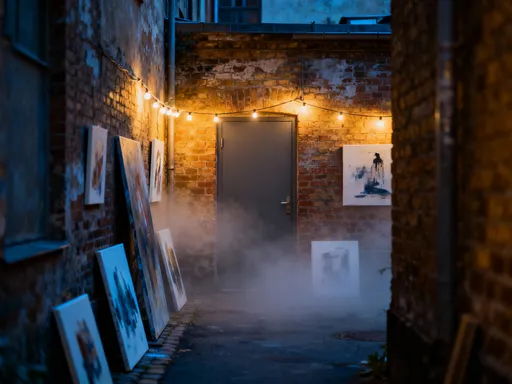
Hiking Hamburg’s Hidden Art Trails – Where Culture Meets the Wild
You know that feeling when you think cities are just concrete jungles—until you stumble on a forest with street art glowing under the trees? That’s Hamburg. I went hiking not through mountains, but along canals, abandoned rail lines, and green corridors bursting with murals, sculpture, and stories. Who said art only lives in galleries? Here, every trail bend reveals a new cultural beat. This is urban hiking with soul—unexpected, vibrant, and absolutely real.
Reimagining Urban Hiking: Hamburg’s Green-Blue-Laced Pathways
Hamburg defies the stereotype of the dense, impersonal metropolis by weaving nature into the very fabric of city life. With over 2,500 green spaces and more bridges than Amsterdam and Venice combined, the city has long prioritized accessibility to nature. At the heart of this philosophy is the Grüngürtel, a green belt encircling the inner city like a living necklace. This network of interconnected parks, forest strips, and waterways forms a backbone for urban hiking—routes where residents and visitors alike can walk for hours without ever stepping onto a major road. These are not just escape routes from city noise; they are intentional spaces designed to blend recreation, ecology, and cultural expression.
Studies conducted by the Hamburg Department of Urban Development show that over 68 percent of residents visit green spaces at least once a week, with walking and light hiking topping the list of preferred activities. The physical benefits are clear: improved cardiovascular health, reduced stress levels, and enhanced mobility. But the mental rewards run deeper. Immersion in green-blue environments—those combining water and vegetation—has been linked to improved focus, emotional balance, and a stronger sense of community. In Hamburg, these pathways serve as both arteries of wellness and canvases for creativity, where a morning jog might lead to a chance encounter with a mosaic embedded in a footbridge or a poem painted on a retaining wall.
What sets Hamburg’s trails apart is their narrative quality. They don’t just connect point A to B; they tell stories. The Alster River paths trace the city’s mercantile past, where wealthy merchants once built villas along the water’s edge. The canals of Sternschanze reflect decades of countercultural energy, now mirrored in bold graffiti and experimental installations. Even signage along the trails often includes historical notes or artistic motifs, turning a simple hike into a layered experience. This integration of culture and nature isn’t accidental—it’s a deliberate urban design principle, one that invites people to move slowly, observe closely, and engage meaningfully with their surroundings.
The Alster Lakes Loop: Water, Walks, and Wall Art
One of the most beloved urban hikes in Hamburg is the 8-kilometer loop around the Außenalster, or outer Alster Lake. Unlike the more secluded inner lake, the outer Alster is a shared space—popular with rowers, dog walkers, and families enjoying weekend picnics. But beyond its postcard-perfect surface, the trail reveals a quieter, more artistic dimension. As you walk from the Lombardsbrücke toward the Kayak Club, the city skyline recedes and the trees close in, creating a tunnel of green where sunlight filters through leaves and glints off the water. It’s in these moments of natural calm that art emerges—unexpected and unannounced.
Near the bridge’s eastern underpass, a vibrant graffiti mural stretches across concrete walls, painted during a city-sponsored street art festival. The piece, a collaboration between local and international artists, depicts abstract waves blending into human silhouettes—symbolizing the flow of people and ideas through Hamburg. It’s not just decoration; it’s a statement of identity. Further along, near the rowing docks, a kinetic sculpture titled Wasseratmung (Water Breath) moves gently with the wind, its stainless steel fins mimicking the rhythm of oars. Installed in 2020 as part of the Alster Art Initiative, it reminds walkers that art in Hamburg is not confined to museums—it breathes, shifts, and interacts with its environment.
Seasonal exhibits further enrich the experience. In spring and autumn, temporary installations appear along the shore—sculptures made from recycled shipping materials, sound art embedded in tree trunks, or illuminated text displays that glow at dusk. These rotating features ensure that no two hikes are the same. The route’s accessibility makes it ideal for all ages and fitness levels, with benches, rest areas, and cafes nearby. Yet it’s the balance between serenity and stimulation that defines this trail: the quiet lap of water against the dock, the distant laughter of children, and the sudden flash of color on a forgotten wall. It’s urban hiking at its most harmonious—where nature soothes, and art surprises.
From Rail to Renaissance: The St. Pauli Elbtunnel and Speicherstadt Edges
To the west of the city center lies a different kind of trail—one that trades leafy serenity for industrial grit and maritime history. The St. Pauli Elbtunnel, opened in 1911, was originally built to connect dockworkers to the port. Today, it serves as a dramatic entrance to one of Hamburg’s most culturally charged zones. Descending into the tunnel via cast-iron spiral staircases, walkers pass walls lined with vintage photographs and maritime artifacts. The air is cool, the acoustics echoey, and the journey itself feels like stepping into the city’s subconscious. Emerging on the other side, the view opens to the Elbe River, cargo ships drifting like slow-moving giants, and the red-brick facades of the Speicherstadt, the world’s largest warehouse district.
Walking along the edge of the Speicherstadt, you’re surrounded by contrasts. The 19th-century Gothic Revival architecture, built on oak piles above canals, stands in dialogue with sleek modern additions—glass visitor centers, contemporary art galleries, and design-focused cafes. Public art here is not decorative; it’s interpretive. Bronze sculptures of dockhands line certain pathways, their faces worn by time and weather. A large steel installation near the International Maritime Museum, titled Anker der Erinnerung (Anchor of Memory), combines ship rigging with engraved names of migrant workers who helped build the port, honoring the human labor behind Hamburg’s prosperity.
The sensory experience is rich. The scent of roasting coffee drifts from the historic Tchibo roastery, a smell so embedded in the air that locals say you can taste it on rainy days. The sound of water lapping against stone, the creak of moored boats, and the occasional horn of a passing freighter create a natural soundtrack. Graffiti appears in unexpected places—not random tags, but carefully composed pieces that respond to the architecture. One mural on a warehouse gable shows a mermaid holding a smartphone, a wry commentary on tradition meeting modernity. This trail doesn’t offer escape; it offers engagement. It’s a walk through layers of identity—port city, trade hub, cultural crossroads—where every detail tells a story of resilience and reinvention.
Planten un Blomen by Foot: Gardens, Light Shows, and Urban Escape
In the heart of Hamburg’s city center lies a green sanctuary that transforms with the seasons: Planten un Blomen, a 45-hectare park that began as a horticultural exhibition ground in the 1930s. Today, it’s one of the city’s most dynamic public spaces, where formal gardens, water features, and open lawns host everything from classical concerts to environmental art projects. Hiking through Planten un Blomen isn’t about distance—it’s about immersion. The park’s winding paths encourage slow movement, inviting visitors to pause, observe, and connect.
One of its most celebrated features is the Lichtermeer, or Sea of Lights, an annual evening display that turns the park into a dreamscape of color and motion. From late spring to early autumn, thousands of LED lights are programmed to pulse and shift in rhythm with music, reflecting off ponds and dancing through trees. While not a permanent installation, the Lichtermeer exemplifies how Hamburg merges nature and art in accessible, joyful ways. During the event, families spread blankets on the grass, couples stroll hand in hand, and children chase beams of light—proof that public art can be both sophisticated and inclusive.
But even outside the light show, the park pulses with creativity. Sculptures are scattered throughout—some whimsical, like a giant metal snail near the children’s playground; others contemplative, like a weathered stone bench engraved with quotes from German poets. The Japanese Garden, a gift from Hamburg’s sister city Sapporo, offers a space of quiet reflection, with koi ponds, arched bridges, and carefully pruned pines. Seasonal flower displays change the park’s palette monthly, from tulips in April to chrysanthemums in October. What makes Planten un Blomen exceptional is its democratic spirit. It’s used by office workers on lunch breaks, seniors feeding ducks, students reading under trees, and tourists snapping photos. It proves that culture doesn’t require exclusivity—it thrives in shared spaces where everyone is welcome.
Outer Reaches: The Harburg Hills and Forgotten Forest Studios
Just a 20-minute regional train ride south of central Hamburg, the Harburg Hills offer a striking contrast to the city’s polished core. This lowland mountain range, formed during the last ice age, is cloaked in mixed forest, meadows, and hidden clearings. It’s one of Hamburg’s best-kept secrets—a place where urban meets wild, and creativity thrives off the grid. The hiking trails here are less manicured, more immersive. Fallen leaves cushion your steps, birdsong replaces traffic noise, and the air carries the scent of pine and damp earth.
What makes this area truly unique is the presence of artist-run studios tucked into converted farmhouses, old barns, and forest cabins. Some are officially open during annual events like the Harburger Künstlertage (Harburg Artists’ Days), while others operate quietly, their windows displaying sculptures or paintings visible only from the path. One such studio, housed in a former dairy building, hosts rotating exhibitions of land art—pieces made from wood, stone, and found objects, designed to decay naturally over time. Another, accessible only by foot, features a sound installation where wind activates chimes made from recycled ship parts.
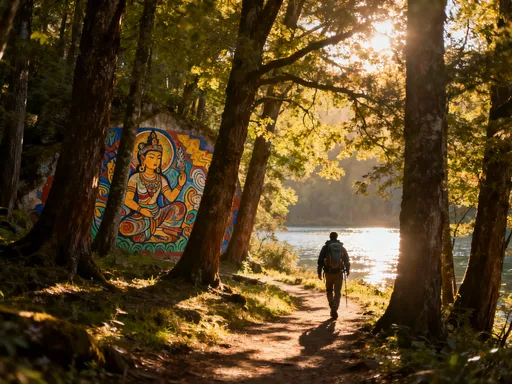
These spaces resist commercialization. There are no gift shops, no guided tours, no admission fees. Instead, they offer authenticity—a raw, unfiltered look at Hamburg’s underground art scene. Hikers might stumble upon a poetry reading in a clearing, a pop-up sculpture garden, or a mural painted on the side of a toolshed. The art here isn’t about fame; it’s about expression, experimentation, and connection to place. For visitors, the experience is humbling. You’re not just observing art—you’re part of its environment. The Harburg Hills remind us that creativity doesn’t always need a spotlight. Sometimes, it grows best in the shadows, nurtured by silence and solitude.
Hiking with a Cultural Lens: Practical Tips for the Curious Walker
To fully appreciate Hamburg’s art trails, a little preparation goes a long way. The best time to hike is early morning, especially on weekends when popular routes like the Alster Loop can become crowded. Mornings offer soft light, fewer people, and a chance to experience the trails in near-silence—perfect for noticing subtle details like a painted tile in a footpath or the way shadows fall across a sculpture. Weekdays are ideal for visiting the Speicherstadt edges or Planten un Blomen, where lunchtime brings office workers but not overwhelming crowds.
Comfortable walking shoes are essential, especially for the Harburg Hills, where paths can be uneven or muddy after rain. A lightweight backpack with water, a snack, and a rain jacket ensures you’re ready for changing conditions. While most trails are well-marked with green-and-white signs, downloading the official Hamburg Green Network map or using the HVV (Hamburger Verkehrsverbund) app helps with navigation and public transit connections. Many trails begin or end near tram or S-Bahn stations, making it easy to combine hiking with city exploration.
One of the most rewarding practices is carrying a small notebook or camera. Art on these trails is often ephemeral—temporary installations, weathered graffiti, seasonal displays. Capturing textures, colors, or inscriptions helps preserve the experience. Even a quick sketch or voice memo can deepen your connection to what you’ve seen. Don’t rush. Allow time to sit on a bench, reread a poem on a wall, or watch how light changes on a mural throughout the day. These moments of stillness are where meaning emerges. And remember: while guides and apps are helpful, some of the best discoveries happen by accident—a side path, a half-hidden door, a sound in the trees. Stay curious. Stay present.
Why This Hike Matters: Reconnecting with City Soul Through Movement and Art
Hiking through Hamburg’s hidden art trails is more than a physical activity—it’s a way of seeing. In our fast-paced world, we often move through cities on autopilot, eyes glued to screens, minds preoccupied. We see surfaces, not stories. But walking slowly, deliberately, with attention, changes that. It allows us to notice the layers beneath the pavement: the history in a brick wall, the resistance in a graffiti tag, the joy in a child’s drawing pinned to a community board. Movement becomes a form of listening. Art becomes a form of conversation.
Hamburg’s integration of culture and nature offers a model for sustainable urban living. These trails are not luxury additions; they are essential infrastructure. They promote health, foster community, and preserve creative expression in an age of homogenization. They prove that cities can be both efficient and soulful, modern and meaningful. When we walk these paths, we don’t just pass through space—we participate in it. We become part of a living culture that values beauty, memory, and connection.
So the next time you think of hiking, don’t imagine distant peaks or remote forests. Look closer. Follow the green signs, cross the quiet bridges, turn down the unmarked path. Let art guide your way. In Hamburg, every step is a discovery, every bend a revelation. This is not just a hike. It’s a homecoming—to the city, to yourself, to the quiet, persistent pulse of human creativity. Step off the pavement. Begin.