You Gotta Taste This: Tulum’s Dining Secrets Uncovered
Tulum, Mexico, isn’t just about turquoise waves and jungle ruins—its food scene is pure magic. I’ve wandered from beachfront *palapas* to hidden *fincas*, chasing flavors that blend Mayan tradition with modern flair. What I found wasn’t just delicious—it was transformative. Dining in Tulum isn’t a meal; it’s a sensory journey where every bite tells a story. Let me show you why this coastal gem feeds your soul as much as your stomach.
The Soul of Tulum’s Cuisine: Where Tradition Meets Innovation
Tulum’s culinary identity is a living tapestry woven from centuries-old Mayan traditions and the creative energy of a global community. At its heart are ingredients that have nourished this region for generations—yellow corn, achiote paste, hibiscus flowers, chaya (a leafy green similar to spinach), and smoked habanero peppers. These are not relics displayed in museums but vibrant elements on every menu, from roadside grills to upscale oceanfront restaurants. What sets Tulum apart is how chefs honor these roots while fearlessly experimenting, creating dishes that feel both ancestral and entirely new.
The rise of farm-to-table dining in Tulum is more than a trend—it’s a philosophy. Many restaurants source ingredients directly from local farms, fishermen, and women-led cooperatives. You’ll find heirloom corn grown in nearby villages, sea salt harvested by hand from solar-evaporated lagoons, and herbs cultivated in on-site gardens. This commitment to sustainability isn’t just about freshness; it’s about respect—for the land, the people, and the centuries of knowledge embedded in every ingredient. Diners often learn the story behind their meal, whether it’s the origin of the blue corn masa or the name of the fisherman who caught the snapper that morning.
Equally important is the spirit of innovation that thrives in Tulum. The town has long attracted artists, healers, and free thinkers, and this bohemian energy spills into the kitchen. A traditional *cochinita pibil*—pork marinated in citrus and achiote, then slow-roasted in banana leaves—might be reimagined with jackfruit for a plant-based version. A classic *tamales* platter could be served with a modern twist, like black bean masa infused with hibiscus. These reinterpretations don’t erase tradition; they expand it, inviting visitors to experience Mayan cuisine not as a static exhibit but as a living, evolving art form.
One of the most profound aspects of dining in Tulum is the ritual that often surrounds it. In many restaurants, especially those run by locals or deeply rooted in Mayan culture, meals begin with a brief blessing or a few words from the chef about the day’s offerings. This simple act transforms eating from a transaction into a moment of connection—between people, place, and history. It reminds you that food is not just fuel, but a vessel for memory, gratitude, and shared humanity. This depth of experience is what makes Tulum’s cuisine so much more than the sum of its flavors.
Beachfront Bites: Why Ocean-View Dining Is Unbeatable
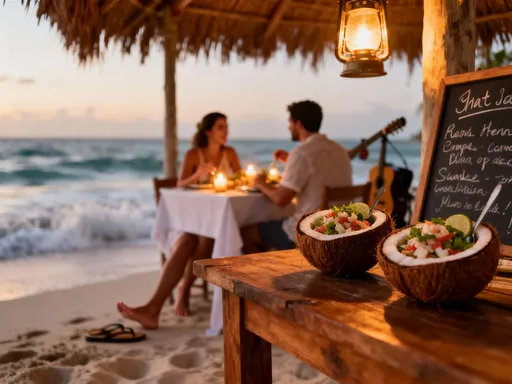
Dining on Tulum’s beach strip is an experience unlike any other—where the line between nature and nourishment blurs. Picture this: you’re barefoot on warm sand, a low wooden table in front of you, the ocean stretching endlessly under a golden sky. The air carries the scent of grilling fish, coconut oil, and sea salt. Reggae or soft cumbia music plays in the background, just loud enough to feel the rhythm but not so loud that it drowns out the waves. This is barefoot elegance at its finest—casual yet intentional, simple yet deeply satisfying.
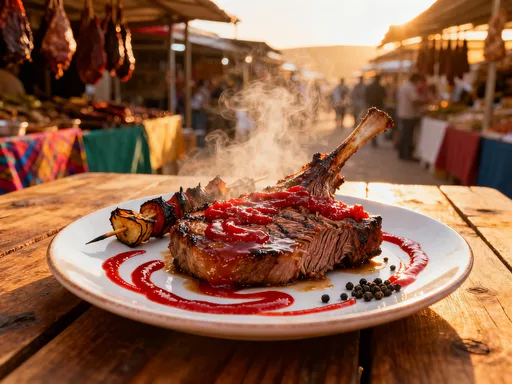
Many of Tulum’s most beloved restaurants are open-air *palapas*—thatched-roof structures that let the breeze flow freely. The kitchens are often visible, allowing diners to watch as chefs grill lobster over wood fires, press tortillas by hand, or mix fresh ceviche with lime, cilantro, and diced mango. This transparency creates intimacy. You’re not just consuming a meal; you’re witnessing its creation. When your plate arrives—perhaps a whole grilled snapper with a side of pickled red onion and handmade tortillas—you feel a sense of participation, as if you’ve been part of the process.
The menu itself is a celebration of the sea and the soil. Seafood is the star, but it’s prepared with care and creativity. You might find tuna tartare served in a coconut shell, garnished with microgreens and avocado mousse. Or grilled octopus with charred lemon and smoked paprika, its texture tender from slow cooking. Even the simplest dishes, like a plate of fresh shrimp with garlic and chili, shine because the ingredients are so pristine. And everything is plated with artistry—on reclaimed wood, banana leaves, or hand-painted ceramics—making each meal a feast for the eyes as well as the palate.
What truly elevates beachfront dining in Tulum is the unhurried pace. Meals unfold over hours, with no pressure to turn tables. You might start with a hibiscus iced tea, move to a main course as the sun dips below the horizon, and finish with a piece of dark chocolate made from local cacao. The waitstaff often remembers your name, your drink preference, even your dietary needs. This personal touch, combined with the natural beauty of the setting, creates a sense of belonging. You’re not just a visitor; you’re a guest at a long table shared with the sea, the sky, and the rhythm of the tides.
Hidden Gems Beyond the Tourist Trail
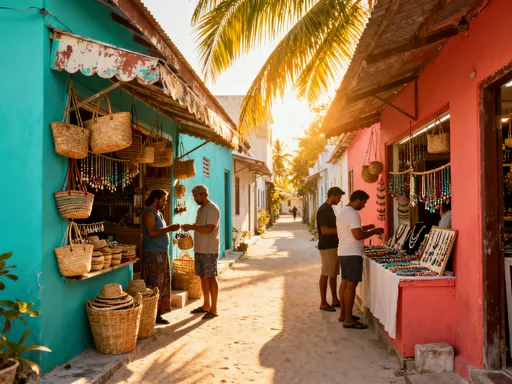
Away from the postcard-perfect beachfront, Tulum reveals another layer of its culinary soul—one that’s quieter, more intimate, and deeply authentic. These are the family-run *cocinas económicas*, the market stalls tucked behind gas stations, the pop-up kitchens in jungle clearings that only operate on weekends. They don’t have Instagrammable decor or online reservations, but they serve some of the most honest, flavorful food in the region. Finding them requires curiosity, a little local knowledge, and the willingness to wander.
Start by following the locals. Notice where residents line up on a Tuesday morning—that’s likely where the best *panuchos* are being fried. These are thick corn tortillas stuffed with black beans, topped with shredded turkey or chicken, pickled red onion, and lettuce. Crispy on the outside, soft within, they’re a staple of Mayan home cooking. Or look for the woman with the steaming pot near the bus stop, ladling out *chilmole*, a rich, dark stew made with dried chilies, spices, and tender pieces of pork. These are meals made with generations of know-how, not culinary trends.
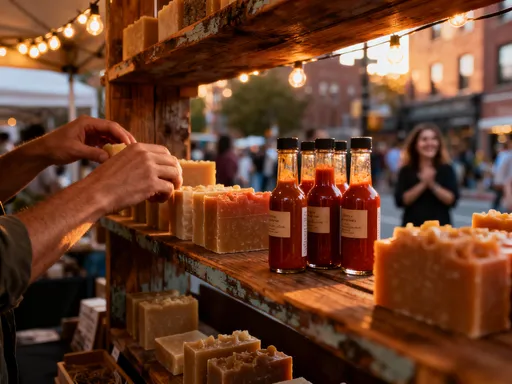
Another secret lies in Tulum’s weekly markets. Held in different neighborhoods on rotating days, these gatherings are where local farmers, bakers, and cooks come together to sell their harvest. You’ll find baskets of ripe guava, jars of raw honey, and stacks of handmade *salbutes*—light, puffy tortillas topped with avocado, pickled vegetables, and shredded eggs. Some vendors offer only a few items, but they’re perfected over years. One man might specialize in *empanadas de horno*, baked pastries filled with cheese and squash blossoms. Another might serve *tamales de elote*, sweet corn tamales wrapped in corn husks and steamed until fragrant.
The real joy of these hidden spots is their spontaneity. Many have no printed menu—just a chalkboard or a verbal list of what’s fresh that day. Some don’t even have chairs; you eat standing up or perched on a milk crate. But in that simplicity lies authenticity. You’re not paying for ambiance or branding; you’re paying for flavor, tradition, and the warmth of human connection. And the prices? Often less than five dollars for a full, satisfying meal. To find these places, ask your Airbnb host, strike up a conversation with a local shopkeeper, or simply wander down side streets with an open mind. The best meals in Tulum aren’t always the most advertised—they’re the ones you stumble upon with a little luck and a lot of heart.
Plant-Powered Paradise: Tulum’s Vegan and Wellness Food Culture
Tulum has earned its reputation as a global hub for wellness, and nowhere is that more evident than in its plant-based dining scene. What began as a niche offering for yoga retreat guests has blossomed into a full-fledged culinary movement. Today, vegan and vegetarian restaurants outnumber traditional meat-heavy menus, and even omnivore spots offer creative, satisfying plant-forward options. This isn’t just about cutting out animal products—it’s about reimagining food as a source of vitality, balance, and joy.
Walk into any café in Tulum and you’ll likely find avocado toast elevated to an art form—smashed avocado on sourdough made from heirloom corn, topped with radish slices, pumpkin seeds, edible flowers, and a drizzle of chili-infused olive oil. Smoothie bowls are another staple, layered with dragon fruit, banana, and coconut water, then crowned with granola, chia seeds, and fresh mango. But the innovation goes deeper. Restaurants serve cashew-based “queso” that melts like dairy, jackfruit “carnitas” that pull apart like slow-cooked pork, and mushroom “bacalao” that mimics the texture of salted cod. These dishes don’t just satisfy vegans—they delight everyone at the table.
Many of these eateries are rooted in the ethos of self-sufficiency. It’s common for a restaurant to grow its own herbs, vegetables, and even fruits in on-site gardens. You might dine at a place where the chef picks cilantro and mint just minutes before preparing your meal. Some establishments partner with biodynamic farms just outside town, receiving daily deliveries of lettuce, tomatoes, and edible flowers. This hyper-local approach ensures peak freshness and reduces environmental impact, aligning with Tulum’s broader commitment to sustainability.
The wellness connection extends beyond the plate. Several yoga and meditation retreats in Tulum also function as culinary schools, offering workshops on plant-based cooking, fermentation, and herbal medicine. Guests learn how to make their own almond milk, ferment hot sauce, or prepare a traditional Mayan drink like *atole de avena*, a warm oat-based beverage spiced with cinnamon and vanilla. These experiences deepen the relationship between food and well-being, teaching that nourishment is not just physical but emotional and spiritual. In Tulum, eating well isn’t a diet—it’s a way of life.
The Art of the Meal: Service, Setting, and Sensory Details
In Tulum, dining is not rushed; it’s revered. Every element—from the placement of lanterns to the texture of the napkins—contributes to an atmosphere of mindful presence. Tables are often set under palm trees, strung with fairy lights or lit by candlelight. The sound of live acoustic guitar drifts from a corner, blending with the rustle of leaves and the distant crash of waves. There’s no background noise of clattering dishes or loud conversations—just a gentle hum of connection. This is slow food in every sense: slow to prepare, slow to serve, slow to savor.
The service style in Tulum reflects this intentionality. Waiters aren’t just servers; they’re storytellers and hosts. They greet you with a warm smile, offer a glass of hibiscus water while you decide, and take the time to explain how the *mole negro* is made with twenty different ingredients, including chocolate and wild herbs. They check in not to rush you, but to ensure you’re comfortable, hydrated, and immersed in the experience. In many places, they’ll remember your name by the second visit, or recall that you prefer your coffee with almond milk. This personal attention makes you feel seen, valued, and at home.
The sensory experience is layered and immersive. The scent of wood-fired cooking—mesquite, coconut husk, or orange wood—fills the air, mingling with the salty ocean breeze. Plates arrive warm, often handmade or sustainably sourced, enhancing the tactile pleasure of the meal. Even the cutlery feels intentional—bamboo forks, clay bowls, glasses made from recycled glass. Every detail signals that this moment matters. You’re not just eating; you’re participating in a ritual of presence and appreciation.
Contrast this with the dining experience in a busy city, where meals are often consumed between meetings, in front of screens, or on the go. In Tulum, time slows. A three-course dinner might last three hours, and no one rushes you. Children play barefoot on the sand, couples hold hands across the table, solo travelers strike up conversations with strangers. This unhurried rhythm allows space for conversation, reflection, and gratitude. It reminds you that food is not just about sustenance—it’s about connection, celebration, and the simple joy of being alive.
Practical Tips for the Best Dining Experience
To fully enjoy Tulum’s dining scene, a few practical insights can make all the difference. First, reservations: while many beachfront restaurants now require booking days in advance—especially during peak season—some of the best local spots operate on a first-come, first-served basis. If you’re set on a popular place like a well-known oceanfront *palapa*, check their website or Instagram a week ahead. But don’t let lack of reservation deter you. Some of the most memorable meals happen spontaneously at places you discover while walking the beach path.
Cash is still king in many parts of Tulum. While larger restaurants accept credit cards, smaller *cocinas*, market stalls, and jungle pop-ups often operate on a cash-only basis. It’s wise to carry Mexican pesos in small denominations—50s and 100s—for ease of payment. ATMs are available in town, but they may charge fees, so withdraw what you need in one go. Also, keep in mind that some places close seasonally, particularly during the summer months when hurricanes are more likely. Always check opening days and hours before making a special trip.
Timing matters. The beachfront restaurants are most magical at sunset, but they also fill up quickly. Arriving between 5:30 and 6:00 PM gives you the best chance of securing a good table. For a quieter experience, consider lunch—many places offer the same quality of food with fewer crowds. If you’re exploring local markets or *cocinas económicas*, mornings are ideal, as many close by early afternoon.
When it comes to dietary needs, Tulum is generally accommodating. Vegetarian, vegan, and gluten-free options are widely available, and staff are usually happy to explain ingredients. Don’t hesitate to ask about *antojitos* (cravings or small snacks), *guisos* (stews), or *consomé* (clear broth)—common terms that may not be familiar to all visitors. Tipping is appreciated but not excessive—10 to 15 percent is standard, and it’s common to leave cash directly on the table. Finally, remember to respect local customs: avoid wasting food, say *gracias* to your server, and take only what you can finish. In Tulum, dining is not just a personal pleasure—it’s a shared responsibility.
Why Tulum’s Table Stays With You
Months after leaving Tulum, I still find myself closing my eyes and recalling the taste of a smoky tamal wrapped in banana leaf, the tang of a hibiscus drink sipped as the sun dipped below the Caribbean. These flavors aren’t just memories—they’re anchors, pulling me back to a moment of peace, presence, and deep connection. That’s the lasting magic of Tulum’s table: it doesn’t just feed your body; it nourishes your spirit.
What makes these meals unforgettable isn’t just their quality, though that is exceptional. It’s the way they are woven into the fabric of place and presence. You eat under the stars, listen to the waves, feel the sand between your toes, and share stories with people from around the world. In that setting, food becomes more than sustenance—it becomes ritual, celebration, and communion. You’re not just consuming; you’re participating in a culture that values slowness, gratitude, and the beauty of the everyday.
Tulum teaches us that dining can be an act of mindfulness. It invites us to slow down, to savor, to appreciate the hands that grew the corn, caught the fish, and prepared the meal. It reminds us that the best moments in life are often the simplest—a shared plate, a warm breeze, a conversation under the moonlight. And when you return home, that awareness lingers. You might start cooking with more intention, eating with loved ones without phones, or simply pausing to taste your food with full attention.
So if you go to Tulum, don’t just visit as a tourist. Go as a guest. Sit at the long table under the palms. Let the flavors guide you, the people welcome you, and the rhythm of the coast slow your heart. Because in the end, the true feast isn’t just on the plate—it’s in the way the experience changes you, long after the last bite is gone.