You Won’t Believe What I Ate in Windhoek
Windhoek, the quiet capital of Namibia, surprised me in ways I never expected—especially at the dinner table. Far from just another stopover, this city blends German colonial charm with bold African flavors. From sizzling game meats to bustling street markets, every bite tells a story. If you think African cuisine is all about stew and maize, think again. Here, food is adventure, identity, and connection all in one. It’s not just about sustenance; it’s about tradition passed through generations, resilience shaped by a dry landscape, and warmth expressed through shared meals. This is a place where the simplest plate can carry the weight of history and the spark of discovery.
First Impressions: A City That Doesn’t Try Too Hard
Arriving in Windhoek, one is immediately struck by its calm demeanor. Unlike many bustling African capitals, this city unfolds with quiet confidence. The streets are clean, traffic flows smoothly, and the skyline balances colonial-era buildings with modern structures. German architectural influences are evident in the red-tiled roofs, gabled facades, and occasional church spires that rise above tree-lined avenues. Yet, the rhythm of life is distinctly African—slow, deliberate, and deeply rooted in community.
What sets Windhoek apart is its authenticity. There’s no attempt to perform for tourists. Life unfolds naturally, and so does the dining experience. Restaurants are often small, family-run establishments where the owner might greet you at the door and recommend the day’s special. The blend of cultures is not staged; it’s lived. You’ll hear English spoken widely, but Afrikaans and indigenous languages like Oshiwambo weave through conversations in markets and cafes. This linguistic and cultural mix is mirrored on the plate, where European techniques meet African ingredients in unexpected harmony.
For visitors, especially women in the 30–55 age range who value meaningful travel experiences, Windhoek offers a refreshing sense of safety and ease. It’s a city where you can wander without feeling overwhelmed, where a solo diner at a sidewalk table won’t draw stares, and where warm hospitality feels genuine rather than transactional. The food scene reflects this—personal, unpretentious, and deeply inviting. Whether you’re seated in a cozy bistro or standing at a street stall, the experience feels intimate, as if you’ve been let in on a well-kept secret.
The Heart of the Meal: Understanding Namibian Food Culture
To appreciate Windhoek’s cuisine, one must first understand the land that shapes it. Namibia is one of the driest countries in sub-Saharan Africa, with vast stretches of desert and semi-arid plains. Agriculture is limited, and much of the population relies on livestock farming. This reality has deeply influenced the national diet, where meat—especially beef, goat, and game—plays a central role. When crops are grown, they are typically drought-resistant staples like corn and mahangu, or pearl millet, a grain that has sustained indigenous communities for centuries.
Mahangu, in particular, is more than just food—it’s a cultural cornerstone. Traditionally ground into flour and cooked into a porridge called *oshifima*, it serves as the base for many meals, much like rice or potatoes in other cultures. It’s often paired with meat stews or leafy greens, providing both sustenance and a connection to heritage. Dairy also features prominently, thanks to Namibia’s strong dairy farming tradition, with fresh milk, sour milk (*maas*), and cheese appearing regularly in both homes and restaurants.
But Namibian food culture is not just about survival; it’s about celebration. Meals are often communal events, especially during festivals, family gatherings, or weekends when the *braai*—a beloved barbecue tradition—is fired up in backyards across the city. The act of sharing food is sacred. Large pots of stew are passed around, meat is carved and distributed, and stories flow as freely as the drink. Cooking methods are often traditional: slow-cooked stews simmered in cast-iron pots, meats grilled over open flames, and bread baked in outdoor ovens. These practices are not relics of the past—they are living traditions, kept alive by mothers, grandmothers, and local cooks who take pride in feeding their communities.
For the curious traveler, this means every meal in Windhoek is an opportunity to engage with the country’s identity. The food tells stories of adaptation, resilience, and cultural fusion. It reflects the blending of indigenous knowledge with colonial influences and modern innovations. To eat here is not just to taste flavors—it is to participate in a culture that values connection, tradition, and the simple joy of a shared table.
Must-Try Dishes: Flavors That Define Windhoek
No visit to Windhoek is complete without sampling its signature dishes, each offering a unique window into the nation’s culinary soul. One of the most beloved is *bobotie*, a dish with Cape Malay origins that has found a home in Namibian kitchens. Traditionally made with spiced minced meat baked with an egg-based topping, Windhoek’s version often includes local touches—diced dried fruit, chutney, and a hint of curry powder. It’s commonly served with *sosaties* (kebabs) and yellow rice, creating a meal that balances sweetness, spice, and comfort in every bite.
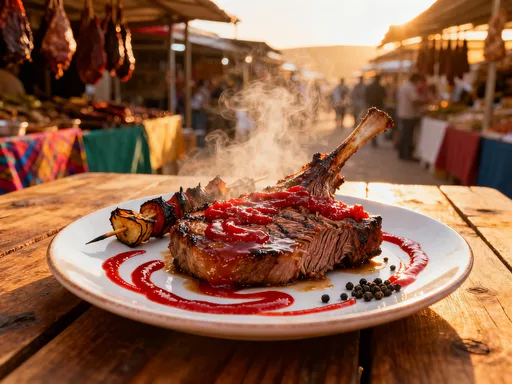
For a more adventurous palate, *kapana* is a must. Found in informal markets and street corners, particularly along Robert Mugabe Avenue, *kapana* refers to freshly grilled beef strips sold by vendors who cook over open braziers. The meat is usually fatty cuts, chosen for their flavor and tenderness when seared quickly over hot coals. Diners gather around, selecting their portions, which are then chopped on the spot and seasoned with salt, chili, or a spicy marinade. Eating *kapana* is as much about the experience as the taste—standing shoulder to shoulder with locals, sharing laughter, and enjoying food that’s hot, smoky, and deeply satisfying.
Another standout is dried kudu, a lean game meat that’s been cured and sliced thinly, similar to biltong but with a richer, earthier flavor. Kudu is a type of antelope native to Namibia, and its meat is prized for its tenderness and low fat content. Served with a tangy mango or apricot chutney, it makes for a flavorful snack or appetizer. Many visitors are surprised by how approachable game meat can be—far from gamy, it’s often milder than beef and pairs beautifully with local breads or crackers.
Then there’s *potjiekos*, a slow-cooked stew prepared in a cast-iron *potjie* pot over an open fire. This Dutch-influenced dish has become a staple at social gatherings, where layers of meat, vegetables, and spices simmer for hours, allowing flavors to meld into a rich, aromatic meal. Each cook has their own variation—some add wine, others use smoked meat or wild herbs—but the result is always hearty and deeply comforting. Equally popular is *vetkoek*, a deep-fried bread dough stuffed with minced meat, cheese, or beans. Crispy on the outside and soft within, it’s the ultimate street food—filling, affordable, and delicious.
These dishes aren’t confined to high-end restaurants. They thrive in markets, home kitchens, and roadside stalls, making them accessible to all. For the traveler seeking authenticity, this is where the real flavor of Windhoek lives—not on polished menus, but in the hands of those who cook with love and tradition.
From Market to Plate: Exploring the Namibia Craft Brewery & Local Markets
To truly understand Windhoek’s food culture, one must step beyond restaurants and into the spaces where locals gather. The Namibia Craft Brewery offers a modern twist on the city’s dining scene. Housed in a converted industrial space, it combines a microbrewery with a casual eatery, drawing a diverse crowd of young professionals, families, and tourists. The atmosphere is relaxed, with long wooden tables, chalkboard menus, and the hum of conversation. Here, you can sip a cold, locally brewed lager—crisp and refreshing—while enjoying a platter of grilled sausages, smoked meats, and roasted vegetables.
The menu pays homage to Namibian flavors while embracing contemporary tastes. Dishes like craft beer-braised beef or venison burgers reflect a growing interest in innovation without losing sight of tradition. It’s a place where the old and new coexist—where a centuries-old love for meat and fire meets modern brewing techniques and global influences. For many visitors, it’s a comfortable entry point into the local food scene, offering familiar pub-style dining with a distinctly Namibian character.
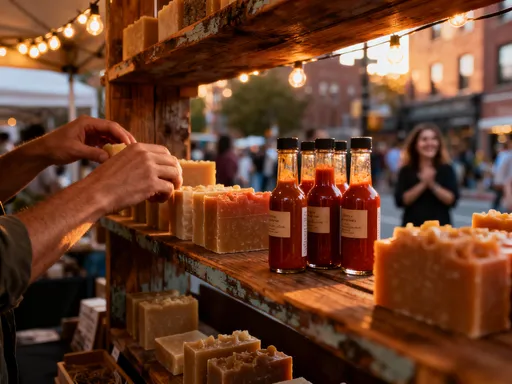
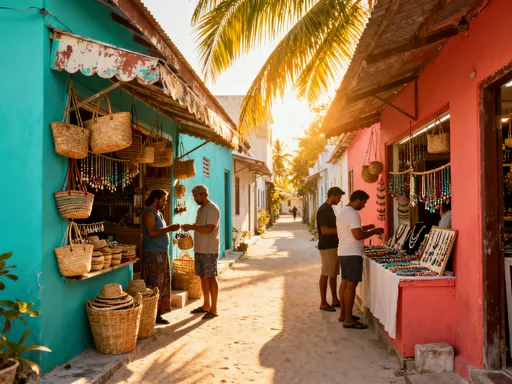
But for a more immersive experience, the Robert Mugabe Avenue street market is unparalleled. Open daily, this vibrant marketplace is a sensory feast. Stalls overflow with fresh produce—bright green spinach, purple cabbage, golden mangoes, and knobby sweet potatoes. Vendors sell smoked fish from the Atlantic coast, dried meats, handmade spices, and freshly baked breads. The air is thick with the scent of grilled meat, roasting peanuts, and simmering stews.
What makes this market special is its authenticity. Unlike tourist-focused markets, this is where locals shop for their daily meals. You’ll see grandmothers bargaining for onions, workers grabbing a quick *vetkoek* for lunch, and families selecting ingredients for weekend *braais*. It’s a place of interaction, where a smile and a few friendly words in English can lead to a taste of something new—a sample of spiced pap, a sip of sour milk, or an invitation to try a vendor’s specialty.
These spaces—both the Craft Brewery and the street market—represent two sides of Windhoek’s culinary identity. One celebrates modernity and innovation, the other honors tradition and community. Together, they offer a complete picture of a city where food is not just eaten, but experienced, shared, and cherished.
Hidden Gems: Off-the-Beaten-Path Eateries Worth Finding
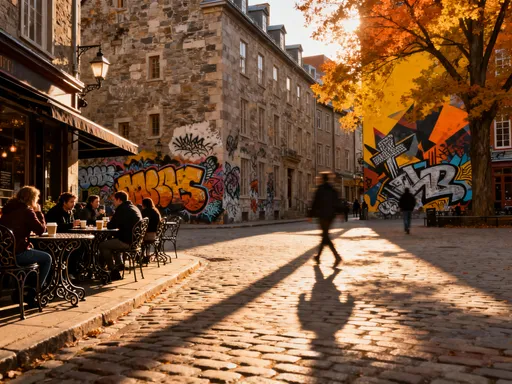
Beyond the well-known spots lie hidden culinary treasures—places that don’t advertise but are beloved by those in the know. One such gem is a small family-run café in Khomasdal, a residential neighborhood just outside the city center. With no sign and only a few outdoor tables, it’s easy to miss. But inside, the aroma of cinnamon, cumin, and roasting meat draws you in. This is where German-Namibian fusion comes alive: think *schnitzel* served with *oshifima*, or *apfelstrudel* made with locally grown apples and served with *maas* instead of cream.
The owners, a couple in their fifties, welcome guests like old friends. Meals are served on mismatched plates, and the coffee is strong and sweet, brewed in a traditional percolator. The menu changes daily, depending on what’s fresh and available. One day it might be lamb curry with roti; the next, a rich beef stew with dumplings. There’s no menu board—just a warm invitation to “try what we made today.” For many visitors, this kind of personal touch is what makes travel meaningful. It’s not about five-star service, but about human connection, about being seen and welcomed.
Even more memorable is the experience of receiving a backyard *braai* invitation. This doesn’t happen through reservations or online bookings—it comes through conversation, kindness, and openness. Maybe you strike up a chat with a vendor at the market, or share a table at a café. If the connection is right, you might hear, “Come to our home on Saturday—we’re having a *braai*.” And just like that, you’re stepping into the heart of Namibian hospitality.
A backyard *braai* is more than a meal—it’s a celebration. The fire is lit early, meat is marinated overnight, and side dishes are prepared with care. Guests arrive in waves, bringing salads, drinks, or desserts. Children play, music plays softly in the background, and stories are exchanged under the stars. The food is simple but extraordinary: perfectly grilled steaks, boerewors sausages, grilled corn, and salads made with garden-fresh vegetables. There’s no rush, no formality—just good food, good company, and the deep satisfaction of belonging, even if just for an evening.
For the discerning traveler, these experiences are priceless. They require no guidebook, only curiosity and respect. The best way to find them? Ask questions. Smile. Follow the locals. And don’t be afraid of plastic chairs or paper plates—sometimes, the most unforgettable meals happen in the simplest settings.
Dining Etiquette & Practical Tips for Visitors
Understanding local customs can greatly enhance your dining experience in Windhoek. One of the first things to know is that many smaller eateries, especially street vendors and family-run cafes, operate on a cash-only basis. While major restaurants accept cards, it’s wise to carry Namibian dollars for markets and informal spots. Service may be slower than what you’re used to—meals are not rushed, and staff often take time to chat. This isn’t inefficiency; it’s part of the culture. Embrace the pace. Use it as an opportunity to relax, observe, and connect.
Opening hours can also be flexible. Some places close early, others open late, and a few may shut for the day if supplies run out. This isn’t a flaw—it’s a reflection of a lifestyle that values balance over convenience. If a café is closed, don’t be discouraged. Try again later, or ask a local for alternatives. More often than not, they’ll point you to something even better.
When it comes to eating, be open to using your hands. *Kapana*, for example, is traditionally eaten without utensils. It’s part of the experience—feeling the warmth of the meat, tearing it apart, savoring it with your fingers. Sharing food is also common. Dishes like *potjiekos* or platters of grilled meat are meant to be passed around. If someone offers you a bite of their meal, accept it graciously—it’s a sign of friendship.
Drinks are often part of the gesture. Whether it’s a glass of *maas*, a cold beer, or sweet tea, turning down a drink can be seen as polite, but accepting it strengthens the bond. If you’re invited to a home, bringing a small gift—fruit, wine, or dessert—is a thoughtful gesture, though not expected.
Most importantly, approach food with respect. Ask before taking photos, especially at markets or private gatherings. Show appreciation for the meal and the people who prepared it. A simple “thank you” in English or a smile goes a long way. These small acts of courtesy open doors to deeper experiences and lasting memories.
Why Windhoek’s Dining Scene Deserves More Attention
Before visiting Windhoek, I saw it as a transit point—a quiet capital overshadowed by Namibia’s dramatic landscapes. But the food changed everything. It transformed my perception of the city from a footnote to a highlight. Each meal was a revelation, not just in flavor, but in meaning. I began to see how cuisine reflects history, environment, and identity. I realized that to eat in Windhoek is to understand Namibia.
Yet, this dining scene remains under the radar. International travelers often overlook it, drawn instead to more famous African food destinations. But what Windhoek offers is rare: a culinary culture that is authentic, uncommercialized, and deeply welcoming. It’s a place where you can eat like a local without pretending, where every bite connects you to the land and its people.
Supporting this food culture also supports sustainability and community. When you buy from a street vendor, dine at a family café, or attend a backyard *braai*, you’re contributing to local livelihoods. You’re helping preserve traditions that might otherwise fade. You’re participating in a form of tourism that values people over profit, connection over consumption.
Windhoek is not just a gateway to the desert—it is a destination in its own right. For the curious eater, the thoughtful traveler, the woman who seeks more than sightseeing, it offers a journey of the senses and the soul. The flavors are bold, the hospitality genuine, and the memories lasting. So if you ever find yourself in Namibia, don’t just pass through. Stay awhile. Sit down. Share a meal. You won’t believe what you’ll taste—and what it will teach you.