You Won’t Believe What I Found in Jasper
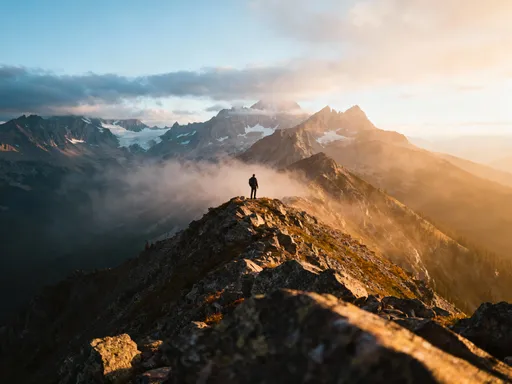
Nestled in the heart of the Canadian Rockies, Jasper isn’t just another pretty mountain town—it’s a playground for the wild at heart. I went expecting scenic views, but what I found was way deeper: crisp alpine air, wildlife around every bend, and trails that lead to silence so complete, it hums. This is more than a trip; it’s a reset button for your soul. If you’re craving real connection—with nature, adventure, and yourself—Jasper delivers, no filter needed. Far from the curated corners of social media, this is authenticity written in snow-capped peaks, mirrored lakes, and the quiet confidence of animals moving freely through ancient forests. Here, the mountains don’t perform. They simply are. And in their presence, something in us remembers how to breathe.
Why Jasper? The Magic Beyond the Postcard
Jasper National Park, spanning over 11,000 square kilometers in Alberta, Canada, is one of the largest and most ecologically intact protected areas in the Rocky Mountains. Unlike the more visited Banff National Park to the south, Jasper remains refreshingly unspoiled, offering a sense of solitude that’s increasingly rare in today’s travel landscape. This is not a destination shaped by mass tourism; it’s a place where nature still sets the rhythm. The park’s vast size—nearly six times larger than Banff’s townsite area—means that even during peak season, it’s possible to find stretches of trail, lakeshore, or ridge line where you’ll see more deer than people.
One of the most compelling reasons to choose Jasper is its designation as a Dark Sky Preserve, recognized by the Royal Astronomical Society of Canada. This status ensures minimal light pollution, making the night sky here one of the clearest in North America. On a moonless night, the Milky Way arcs across the heavens with such brilliance that it casts soft shadows on the ground. This isn’t just a visual spectacle—it’s a reminder of our place in the universe, a humbling and deeply peaceful experience that many visitors describe as spiritual.
Biodiversity is another hallmark of Jasper’s quiet magic. The park is home to over 50 species of mammals, including grizzly bears, black bears, elk, moose, wolves, and the elusive lynx. It’s not unusual to see a herd of elk grazing in the town’s center at dawn or spot a black bear ambling through a meadow just off the highway. These encounters are not staged or predictable—they are part of daily life in Jasper, a testament to the coexistence between humans and wildlife when boundaries are respected and ecosystems are protected.
What truly sets Jasper apart is the depth of immersion it offers. While other mountain destinations cater to quick snapshots and curated experiences, Jasper invites you to slow down, to walk further, to listen. The air smells of pine and damp earth. The rivers rush with glacial melt, cold and clear. There’s a stillness here that isn’t empty—it’s full of presence. For travelers seeking more than just scenery, Jasper provides a rare opportunity to reconnect with the natural world on its own terms.
Getting There & Best Times to Visit: Timing Is Everything
Reaching Jasper is part of the adventure. Most travelers fly into either Calgary International Airport or Edmonton International Airport, then drive west into the mountains. The journey from Edmonton, about a 5-hour drive, takes you from flat prairies into rising foothills and finally into the dramatic peaks of the Rockies. The final stretch along Highway 16, known as the Yellowhead Highway, winds through dense forests and alongside rushing rivers, building anticipation with every mile.
Alternatively, the Icefields Parkway—officially Highway 93—connects Jasper to Lake Louise in Banff National Park and is consistently ranked among the most scenic drives in the world. Stretching 232 kilometers, this route features towering glaciers, turquoise lakes, and panoramic viewpoints at nearly every turn. Travelers often stop to photograph the Athabasca Glacier, one of the few glaciers accessible directly from the road, where guided ice walks are available during summer months. However, the parkway is not always open year-round; winter snowfall can delay opening until late May or early June, and it may close temporarily during heavy storms.
When planning a visit, timing plays a crucial role in shaping the experience. Summer, from June to August, is peak season. Days are long—the sun sets after 9:00 PM—and all trails, visitor centers, and shuttle services are fully operational. This is ideal for hikers, kayakers, and families looking to explore the full range of outdoor activities. However, it also means larger crowds, especially at popular sites like Maligne Lake and the Columbia Icefield. Booking accommodations and campgrounds months in advance is strongly recommended.
For those seeking quieter conditions, the shoulder seasons of late May and September offer exceptional value. In late spring, snowmelt feeds the waterfalls, making them especially powerful, while wildflowers begin to bloom in sheltered valleys. September brings golden larch trees, crisp air, and fewer tourists, making it a favorite among photographers and serious hikers. Wildlife is also more active during these months, preparing for winter or emerging from higher elevations.
Winter in Jasper, from November to March, transforms the landscape into a serene, snow-blanketed wonderland. Temperatures can drop below -20°C, but the cold comes with rewards: world-class skiing at Marmot Basin, snowshoeing through silent forests, and the chance to see the northern lights. Jasper’s dark-sky status makes it one of the best places in Canada to view the aurora borealis, especially on clear, moonless nights. Winter travelers should be prepared for shorter daylight hours and potential road closures, but the sense of solitude and magic is unmatched.
Must-Do Outdoor Activities: Where Adventure Meets Awe
Jasper’s true essence is best experienced outside, with boots on the ground and eyes on the horizon. The park boasts over 1,200 kilometers of hiking trails, ranging from gentle riverside walks to multi-day backcountry expeditions. For beginners, the Maligne Canyon trail is a must. This well-maintained loop follows a deep limestone gorge carved by the Maligne River, with six bridges offering views of waterfalls, plunge pools, and ice formations that persist well into summer. The sound of rushing water echoes off the canyon walls, creating a natural symphony that feels both powerful and calming.
More experienced hikers will find their match in the Skyline Trail, often described as one of the most spectacular alpine hikes in the Canadian Rockies. Stretching about 44 kilometers from Maligne Lake to Jasper townsite, this multi-day trek crosses high mountain passes with 360-degree views of snow-dusted peaks and endless valleys. Because it’s accessed by shuttle and requires backcountry permits, the trail remains relatively uncrowded. Most hikers complete it in two to three days, staying in well-maintained alpine huts or designated campsites. The effort is rewarded with vistas that feel almost otherworldly—especially at sunrise, when the first light paints the mountains in shades of rose and gold.
Water-based activities are equally compelling. Maligne Lake, the largest natural lake in the Canadian Rockies, is famous for its vivid blue color and Spirit Island—a tiny, iconic islet that appears in countless photographs. While boat tours run regularly during summer, renting a kayak offers a more intimate experience. Paddling across the calm morning water, with mist rising off the surface and mountains reflected perfectly in the lake, creates a sense of timelessness. The lake is cold—fed by glacial melt—but the stillness and beauty make it unforgettable.
For those who prefer two wheels, Jasper has an expanding network of mountain biking trails. The Bald Hills and Sunwapta Ridge trails offer technical challenges and sweeping views, while the trails near Patricia Lake are better suited for families and casual riders. Bike rentals are available in town, and many routes connect to picnic areas and scenic overlooks, making it easy to combine adventure with relaxation.
Winter brings its own set of thrills. Marmot Basin Ski Resort, located just 20 minutes from town, offers over 900 hectares of skiable terrain with an average annual snowfall of 475 centimeters. What sets it apart from larger resorts is the lack of crowds—lift lines are short, and the atmosphere is relaxed. The resort caters to all skill levels, with wide beginner slopes, challenging glades, and expert chutes. Cross-country skiing and snowshoeing are also popular, with groomed trails at Pyramid Lake and along the Maligne Road providing access to quiet, snow-covered forests.
Hidden Gems & Local Favorites: Off the Beaten Path
While Maligne Lake and the Columbia Icefield draw the majority of visitors, Jasper’s true character often reveals itself in quieter corners. Beauty Creek, for example, is a lesser-known trail that leads through a moss-covered forest to a series of small waterfalls and natural rock pools. The path is narrow and less maintained, which keeps crowds away, but the reward is a sense of discovery and intimacy with the landscape. In early summer, the sound of cascading water blends with birdsong, creating a peaceful soundtrack for reflection.
Another local favorite is the Old Fort Point trail, a short but steep climb that offers one of the best panoramic views of Jasper townsite and the surrounding valley. At just 1.6 kilometers round trip, it’s accessible to most fitness levels and is especially beautiful at sunrise or sunset, when the light softens the mountains and the town glows below. Locals often bring coffee or a thermos of tea to enjoy at the top, making it a ritual of quiet celebration.
For a different kind of perspective, the Jasper Planetarium offers public stargazing events and educational programs about the night sky. Given Jasper’s dark-sky status, the experience is profound. On clear nights, guides use laser pointers to trace constellations, explain the science of stars, and share Indigenous stories about the cosmos. It’s both informative and deeply moving—especially for children, who often leave with a new sense of wonder about the universe.
The Peace Bunker, officially known as the Cold War Museum, is another underrated attraction. Housed in a former underground military installation, the site offers a glimpse into Canada’s role during the Cold War era. While not a natural feature, it adds historical depth to the region and is particularly interesting for visitors who appreciate stories of resilience and preparedness. Guided tours explain how the facility was designed to withstand nuclear attack and maintain government operations, offering a sobering but fascinating look at a tense chapter in world history.
For a moment of pure serenity, many locals recommend a quiet picnic at Lac Beauvert, a small lake just south of the Fairmont Jasper Park Lodge. With the Canadian Rockies rising in the background and ducks gliding across the water, it’s a perfect spot to pause, breathe, and absorb the beauty without the pressure of ticking off a checklist. These quieter experiences don’t always make it into guidebooks, but they often become the most cherished memories.
Staying in Jasper: Where to Rest Your Head (and Your Boots)
Accommodation in Jasper ranges from rustic to refined, ensuring that every traveler can find a comfortable base. The townsite itself is compact and walkable, with most hotels, restaurants, and shops located within a few blocks. Staying in town offers convenience—especially in winter, when walking to dinner or the visitor center is easier than driving—and a charming alpine atmosphere with wooden architecture and flower-filled planters.
For those seeking more space or privacy, lodges and cabins just outside the town center provide a quieter alternative. Properties nestled along the Athabasca River or near the golf course often offer better wildlife viewing and a deeper sense of immersion in nature. Some include fireplaces, full kitchens, and private decks—ideal for families or travelers planning extended stays.
Camping is another popular option, with several front-country campgrounds operated by Parks Canada, including Wapiti, Whistlers, and Pocahontas. These sites offer basic amenities like fire pits, picnic tables, and access to clean washrooms, but reservations are essential during summer. Backcountry camping requires a permit and more preparation, but it allows for true solitude in remote alpine settings. All campers are required to follow strict food storage rules to prevent bear encounters—a critical part of responsible travel in bear country.
For budget-conscious travelers, hostels and guesthouses provide affordable options with a social atmosphere. Many offer shared kitchens, common rooms, and organized activities like group hikes or movie nights, making them ideal for solo travelers or those looking to meet fellow adventurers. Regardless of where you stay, packing layers is essential—temperatures can vary dramatically between day and night, even in summer.
Fueling Up: Eating & Recharging in the Wild
After a day of hiking, skiing, or exploring, a good meal is more than a pleasure—it’s a necessity. Jasper’s dining scene may be small, but it punches above its weight, offering hearty, locally inspired cuisine. Breakfasts tend to be substantial, with options like wild blueberry pancakes, Alberta beef hash, and eggs cooked to order—perfect for fueling a full day outdoors. Many cafes use local ingredients, including honey from regional apiaries and baked goods made with Canadian wheat.
Lunch spots range from casual delis to mountain-view patios, where travelers can enjoy a sandwich or soup while watching wildlife pass by. Look for menus featuring wild salmon, bison burgers, and seasonal vegetables—foods that provide sustained energy and reflect the region’s natural bounty. For self-catering, the town has several grocery stores and convenience shops where visitors can stock up on trail snacks, fresh fruit, and hydration supplies.
Dinner in Jasper is often a celebration of the day’s adventures. Restaurants emphasize comfort and flavor, with warm interiors, crackling fireplaces, and staff who are happy to share recommendations. While specific names aren’t highlighted here, the best meals are often found in unassuming places—family-run establishments where the food is made with care and the atmosphere feels like home.
Hydration is especially important at elevation. Jasper sits at about 1,000 meters above sea level, and physical activity increases the risk of dehydration. Carrying a reusable water bottle and refilling it regularly is a simple but effective way to stay energized. Many lodges and public buildings have filtered water stations, and boiling or using water filters is recommended when drinking from natural sources.
Responsible Travel: Leaving No Trace, Taking Only Memories
The beauty of Jasper is not guaranteed—it depends on the care of every visitor. The Leave No Trace principles are not just guidelines; they are essential practices for preserving this fragile ecosystem. Staying on marked trails prevents soil erosion and protects alpine vegetation that can take decades to recover. Packing out all trash, including food scraps and biodegradable items, helps keep the environment clean and prevents animals from becoming dependent on human food.
Wildlife safety is paramount. Feeding animals is illegal and dangerous—it alters their natural behavior and can lead to aggressive encounters. Proper food storage, whether in bear-proof lockers at campsites or in vehicle trunks, is a non-negotiable part of any trip. When viewing wildlife, maintaining a safe distance—typically at least 30 meters for most animals and 100 meters for bears and wolves—is crucial for both human and animal safety.
Respecting trail closures, especially during wildlife calving or nesting seasons, ensures that animals can raise their young without disturbance. These closures are not arbitrary; they are based on scientific monitoring and are vital to the long-term health of the park. Supporting conservation efforts, whether through park fees, donations, or volunteering, also plays a role in protecting Jasper for future generations.
In the end, the most meaningful travel is not about how many places you see, but how deeply you connect with the ones you visit. Jasper invites that depth. It asks for presence, respect, and a willingness to slow down. In return, it offers silence, wonder, and a rare kind of peace—the kind that settles into your bones and stays with you long after you’ve left the mountains behind. For anyone seeking not just a getaway, but a genuine reset, Jasper is not just a destination. It’s a revelation.