You Won’t Believe These Lagos Hideouts I Found
Lagos isn’t just traffic and hustle—trust me, I used to think that too. But after months of exploring, I’ve uncovered a side of Nigeria’s largest city most people miss. Think serene beachfront lounges, private rooftop escapes, and hidden garden spots where the vibe is always right. This isn’t your typical tourist checklist—it’s a real look at how locals unwind in luxury and secrecy. If you're ready to see Lagos like never before, stick around. These leisure spots? Absolute game-changers.
The Private Pulse of Lagos
Lagos pulses with life, ambition, and rhythm—a city where commerce, culture, and creativity intersect. While many know it for its vibrant markets, energetic music scene, and endless movement, few recognize the growing undercurrent of tranquility that flows beneath the surface. Beyond the honking horns and crowded streets lies a quieter, more intentional side of the city: one where relaxation is not an afterthought, but a carefully designed experience. In recent years, a new kind of leisure culture has taken root—one that values privacy, atmosphere, and authenticity over spectacle and visibility.
This shift reflects a deeper evolution in how people engage with urban life. As Lagos continues to grow, so does the desire for spaces that offer respite from its relentless pace. The rise of private lounges, hidden gardens, and exclusive rooftops speaks to a generation that values quality time over crowded check-ins. These venues aren’t marketed on social media with flashy ads or influencer takeovers. Instead, they thrive on word-of-mouth, reputation, and a shared understanding among those who seek them. They represent a quiet rebellion against the noise—places where you can breathe, reflect, and reconnect without the pressure of performance.
What makes these spots so compelling is not just their physical beauty, but their emotional resonance. They are not escapes from Lagos—they are expressions of it. Crafted by locals who understand the city’s contradictions, they offer balance: energy and calm, connection and solitude, modernity and tradition. For visitors willing to look beyond the obvious, these spaces reveal a Lagos that is not only livable but deeply enriching. This is not about luxury for luxury’s sake, but about creating moments of peace in a city that rarely slows down.
Escaping the Chaos: Why Lagos Needs Hidden Retreats
To understand the appeal of Lagos’ hidden retreats, one must first feel the weight of its daily rhythm. Mornings begin early, with the hum of generators and the first waves of traffic already clogging major arteries like Lekki-Epe Expressway and the Third Mainland Bridge. By midday, the heat presses down, amplifying the buzz of street vendors, honking taxis, and construction work that never seems to stop. For many residents, the city’s energy is both a source of pride and a constant drain on mental reserves. It’s not just the physical exhaustion—it’s the sensory overload, the unrelenting stimulation that leaves little room for stillness.
It is precisely this intensity that fuels the demand for quiet spaces. Hidden retreats are not indulgences; they are necessities. Psychologists have long emphasized the importance of restorative environments—places that allow the mind to recover from prolonged stress. In Lagos, where long commutes and high-pressure work environments are the norm, such spaces become sanctuaries. They offer more than shade or a cold drink; they provide psychological relief. The simple act of stepping into a quiet garden or a softly lit rooftop can reset the nervous system, lowering cortisol levels and restoring a sense of control.
These retreats also fulfill a social need. In a city where public spaces are often crowded or unsafe, private venues offer a rare opportunity for meaningful connection. Friends gather not to be seen, but to talk, laugh, and recharge together. Families find pockets of calm where children can play safely, and couples enjoy uninterrupted time. The value lies not in exclusivity for its own sake, but in the quality of experience it enables. When every detail—from lighting to music to seating—is curated for comfort, the result is a space where people feel truly at ease.
Moreover, these hideaways reflect a growing cultural shift toward mindfulness and self-care. While Lagos has long been associated with hustle and resilience, there is now a quiet movement embracing balance. People are beginning to recognize that sustainability—both personal and professional—requires moments of pause. Hidden retreats support this ethos by offering environments where one can reflect, meditate, or simply sit in silence. They are not escapes from reality, but spaces that help people return to it with greater clarity and strength.
Beachfront Bliss: Victoria Island’s Best-Kept Secrets
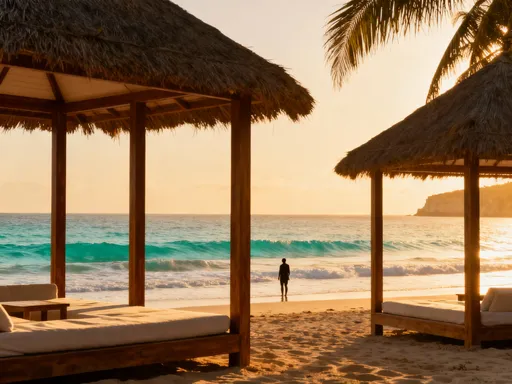
Along the coastline of Victoria Island, where the Atlantic breeze cuts through the humidity, a handful of discreet beachfront lounges offer some of the most coveted relaxation spots in Lagos. These are not the rowdy beach bars or packed public stretches often seen in travel brochures. Instead, they are intimate enclaves where comfort and privacy take precedence. Tucked behind unmarked gates or accessed through boutique hotels, these venues blend coastal charm with understated elegance. Think low-slung cabanas draped in white linen, shaded daybeds nestled between palm trees, and open-air lounges that face the water with uninterrupted views of the horizon.
What sets these spots apart is their attention to atmosphere. Music is carefully curated—often a mix of Afro-jazz, soulful highlife, and ambient beats played at just the right volume to enhance, not overwhelm. Service is attentive but unobtrusive, with staff trained to anticipate needs without interrupting conversation. Many of these lounges operate on a reservation-only or membership basis, ensuring that capacity is controlled and the experience remains exclusive. This isn’t about elitism; it’s about preserving the tranquility that makes these places special.
The experience often begins in the late afternoon, when the sun softens and the sky shifts through shades of gold and pink. Guests sip on expertly mixed cocktails—think ginger mule with local spices or fresh coconut water with a twist of lime—while the waves provide a natural soundtrack. Some spots offer light bites: grilled plantains, smoked fish skewers, or avocado toast with Nigerian honey. The food is simple but thoughtfully prepared, emphasizing freshness and local flavor over pretension.
For visitors, gaining access requires more than just money—it requires discretion. Many of these venues do not advertise online, and entry is often facilitated through personal introductions or trusted concierges. This adds to their allure, creating a sense of discovery for those who find them. But more importantly, it protects the integrity of the space. These are not places to post selfies or make a scene. They are designed for those who appreciate the rare luxury of stillness by the sea, even in the heart of a bustling metropolis.
Rooftop Escapes with a View
High above the streets of Ikoyi and Lekki, a new generation of rooftop lounges is redefining evening leisure in Lagos. These are not the overcrowded nightclubs or loud rooftop parties of the past, but serene spaces designed for unwinding under the stars. Perched atop boutique buildings or nestled within quiet residential compounds, these venues offer panoramic views of the city skyline, with the Lagos Lagoon shimmering in the distance. As the sun sets and the city lights begin to flicker on, the air cools, and a gentle breeze rolls in, making these rooftops some of the most sought-after places to end the day.
The design philosophy behind these spaces emphasizes intimacy and ambiance. Lighting is soft—strings of warm bulbs, lanterns, and recessed fixtures create a glow that feels both romantic and calming. Seating is arranged in small clusters, encouraging conversation without sacrificing privacy. Some rooftops feature fire pits or water features that add to the sensory experience, while others incorporate art installations or live acoustic performances that enhance the atmosphere without dominating it. The goal is not to dazzle, but to soothe.
Drinks are a highlight, with mixologists crafting bespoke cocktails using local ingredients like uziza leaves, ogogoro-infused syrups, or hibiscus from Nigerian gardens. Non-alcoholic options are equally thoughtful—think tamarind coolers, zobo spritzers, or minty ginger teas served over ice. The beverage program reflects a broader trend in Lagos’ leisure scene: a move toward sophistication rooted in tradition. These are not imported experiences, but local interpretations of global trends, refined for the Nigerian palate.
What makes these rooftops truly special is their accessibility to both locals and respectful visitors. Unlike some exclusive clubs, many of these venues welcome guests who approach with curiosity and humility. Reservations are recommended, especially on weekends, but the door is not closed to newcomers. The unspoken rule, however, is clear: come to relax, not to perform. There are no VIP sections or bottle service theatrics. The focus is on the moment—the view, the company, the quiet joy of being present in a city that rarely allows it.
Green Oases in the Concrete Jungle
In a city defined by concrete, steel, and constant motion, green spaces are more than a luxury—they are a lifeline. Scattered across Lagos’ residential neighborhoods are hidden garden lounges and nature-inspired retreats that offer a sensory escape from urban intensity. These are not formal parks or public gardens, but privately managed sanctuaries where lush foliage, flowering plants, and the sounds of birds create a world apart. Some are tucked behind high walls in secure compounds, while others are integrated into wellness centers or boutique cafes, blending leisure with holistic living.
Walking into one of these oases feels like stepping into another Lagos—one where time moves slower and nature is not an afterthought, but the centerpiece. Vines climb trellises, ferns line stone pathways, and tall trees provide canopies of shade. The air smells of earth and jasmine. Birdsong replaces traffic noise, and the only human sounds are quiet laughter or the soft clink of glasses. These spaces are designed to engage all the senses, offering a form of environmental therapy that is both immediate and profound.
Many of these gardens host small events—yoga sessions at dawn, poetry readings in the evening, or weekend brunches under the trees. Others are simply open for quiet contemplation, with reading nooks, hammocks, or meditation corners. The programming is minimal by design, allowing the natural environment to take center stage. Guests are encouraged to disconnect—phones are often left in lockers, and Wi-Fi is limited or unavailable. This digital detox enhances the restorative effect, helping visitors reset their mental rhythms.
From a design perspective, these spaces reflect a growing appreciation for biophilic principles—integrating nature into human environments to improve well-being. Research has shown that exposure to greenery reduces stress, improves concentration, and boosts mood. In Lagos, where access to public parks is limited and air quality can be poor, these private oases fill a critical gap. They are not replacements for public green infrastructure, but they demonstrate what is possible when intention and care are applied to urban design. For those who find them, they offer a reminder that peace is not only possible in Lagos—it can be cultivated.
The Rise of Members-Only & Boutique Leisure Spots
A quiet revolution is unfolding in Lagos’ leisure landscape: the rise of members-only and boutique venues that prioritize consistency, community, and curated experiences. Unlike large commercial spaces that cater to volume, these spots focus on quality and connection. Membership models vary—some are invitation-only, others require a simple application and fee—but all share a commitment to maintaining a certain standard of atmosphere and service. This is not about exclusion for the sake of status, but about creating environments where guests know what to expect and feel a sense of belonging.
These venues often operate in repurposed buildings—old colonial homes, converted warehouses, or retrofitted apartments—giving them a distinctive character that chain establishments cannot replicate. Interiors blend Nigerian craftsmanship with minimalist design: hand-carved furniture, woven textiles, and locally made ceramics create a sense of place. Staff are trained not just in service, but in hospitality—remembering names, preferences, and the subtle cues that make guests feel seen. The result is an experience that feels personal, even on a first visit.
One of the key advantages of these spaces is their ability to maintain quality control. By limiting access, they avoid the overcrowding that can ruin a good vibe. They can also be more responsive to feedback, adjusting music, menu items, or seating arrangements based on regular guests’ input. This creates a feedback loop of improvement, where the space evolves in harmony with its community. For members, this fosters loyalty—not because they are getting a discount, but because they are part of something that feels authentic and alive.
These venues also serve as cultural hubs, hosting small exhibitions, live music nights, or discussions on topics ranging from urban design to sustainable living. They are not just places to relax, but to engage. Yet, even in their programming, there is a restraint that honors the core purpose: relaxation. Events are scheduled thoughtfully, never overwhelming the space. The emphasis remains on creating pockets of calm in a city that rarely offers them. In this way, members-only spots are not just about leisure—they are about building a different kind of urban culture, one that values depth over spectacle.
How to Access These Spots Without Blending In
For visitors eager to experience Lagos’ hidden retreats, the key is not visibility, but respect. These spaces are not tourist attractions, and approaching them as such can disrupt the very tranquility they are designed to protect. The best way to gain access is through personal connections—friends, hotel concierges, or local guides who understand the culture of discretion. Many of these venues do not have public websites or social media pages, and showing up unannounced is rarely successful. A simple introduction, however, can open doors that would otherwise remain closed.
When visiting, certain etiquette rules apply. Dress is typically smart-casual—nothing too flashy or revealing. The goal is to blend in, not stand out. Loud conversations, excessive phone use, or attempts to take over a space are frowned upon. Instead, guests are expected to move quietly, speak softly, and respect the shared atmosphere. Tipping is appreciated but not demanded, and service is often so seamless that it goes unnoticed—exactly as it should be.
Reservations are essential, especially on weekends or during holidays. Some spots require advance booking through a WhatsApp message or email, with confirmation sent only after verification. This process may feel inconvenient, but it ensures that only those who genuinely value the experience gain entry. It also prevents overcrowding and preserves the intimate nature of the venue.
Perhaps most importantly, visitors should approach these spaces with humility. They are not stages for performance, but sanctuaries for restoration. The reward for respecting these norms is access to something rare: a Lagos that is not just survived, but deeply enjoyed. In return, guests are invited not to consume the experience, but to become part of it—even if only for an afternoon.
Conclusion: Redefining Leisure in Lagos
Lagos is often seen through the lens of its challenges—traffic, density, noise. But beneath the surface, a quieter story is unfolding. Across Victoria Island, Ikoyi, Lekki, and beyond, a network of hidden retreats is redefining what it means to relax in the city. These are not escapes from Lagos, but affirmations of its depth, creativity, and resilience. They prove that even in the busiest environments, peace can be designed, cultivated, and shared.
For travelers, the lesson is clear: true discovery lies not in checking off landmarks, but in seeking moments of connection and calm. The most memorable experiences in Lagos are not found in guidebooks, but in whispered recommendations, quiet gardens, and rooftops under the stars. They require patience, respect, and an openness to seeing the city on its own terms.
As urban life grows more demanding worldwide, Lagos offers a model of balance—one where luxury is not measured in price, but in peace. These hidden hideouts are more than leisure spots; they are acts of resistance against burnout, invitations to slow down, and testaments to the human need for beauty and stillness. So the next time you hear about Lagos, don’t just think of the hustle. Think of the hush. Because in the spaces between the noise, Lagos reveals its most precious gift: the possibility of rest.