You Won’t Believe These Cultural Viewpoints in Turku
Turku isn’t just Finland’s oldest city—it’s a living storybook where every viewpoint tells a tale. From medieval castles to riverside whispers of centuries past, I was stunned by how much culture reveals itself from just the right angle. These aren’t just scenic spots—they’re windows into Finnish identity. If you’re chasing authenticity over crowds, these hidden-highs and historic outlooks will redefine your Nordic journey. Trust me, Turku’s soul is best seen from above, below, and everywhere in between.
Why Turku? Uncovering Finland’s Cultural Roots
Founded in the 13th century, Turku served as Finland’s original capital and remains the country’s cultural cradle. Long before Helsinki became the political center, Turku was the heart of administration, education, and religious life. The city’s location at the mouth of the Aura River made it a natural hub for trade and cultural exchange between Sweden, the Baltic states, and inland Finland. This strategic importance laid the foundation for a unique blend of influences—Swedish governance, Finnish resilience, and Nordic simplicity—all of which continue to shape national identity today.
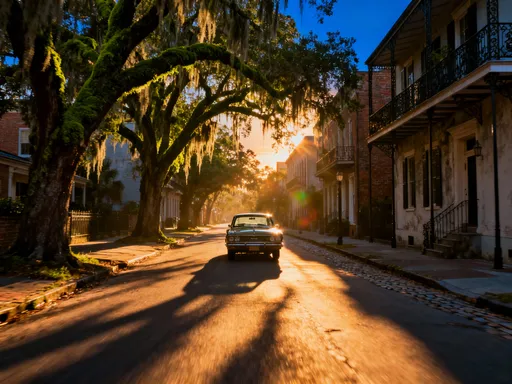
What sets Turku apart from other Finnish cities is its layered history, visible in both architecture and daily life. While Helsinki showcases neoclassical grandeur and modern urban planning, Turku preserves a more organic, lived-in charm. Cobblestone alleys wind past centuries-old wooden houses, and bilingual street signs reflect the city’s enduring Swedish-Finnish duality. This coexistence isn’t performative—it’s part of everyday reality. Many residents speak both Finnish and Swedish, and local institutions, from schools to theaters, maintain traditions in both languages.
Understanding Turku offers a deeper appreciation of Finnish culture because it reveals the roots of national values such as sisu (perseverance), connection to nature, and functional design. The city’s evolution—from medieval stronghold to industrial port to modern cultural center—mirrors Finland’s broader journey. Yet, unlike larger capitals that sometimes prioritize progress over preservation, Turku integrates its past into the present. Historic buildings house contemporary cafes, and ancient festivals are still celebrated with quiet reverence. For travelers seeking authenticity, Turku provides not just sights, but context.
Moreover, Turku’s role as a gateway to the archipelago reinforces its cultural significance. For generations, island communities relied on Turku for supplies, education, and spiritual guidance. The city’s cathedral, consecrated in the 13th century, served as the spiritual center of all Finland until the 19th century. This legacy lives on in local customs, from seasonal Midsummer celebrations to traditional handicrafts still practiced in nearby villages. To visit Turku is not merely to see old buildings—it is to witness the living continuity of Finnish heritage.
Turku Castle: A View Through Time
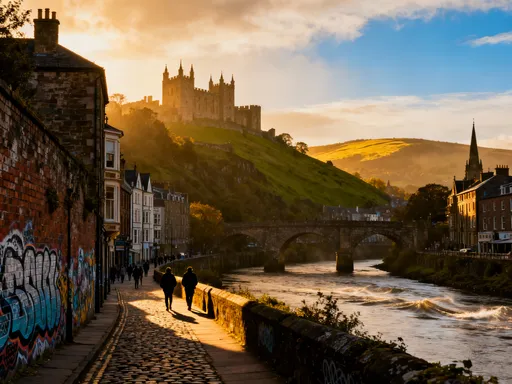
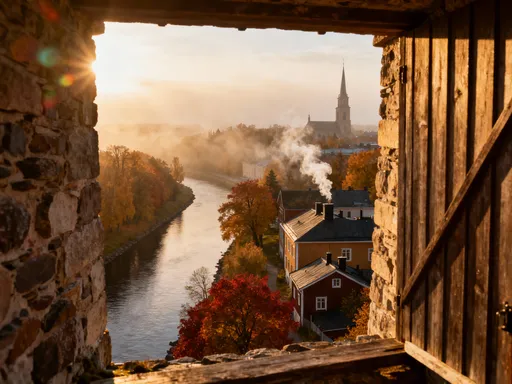
Rising from the banks of the Aura River, Turku Castle stands as one of Finland’s most iconic historical landmarks—and one of its most revealing viewpoints. Originally constructed in the late 1200s as a military fortress and administrative center, the castle has witnessed centuries of political shifts, fires, and restorations. Today, it functions as both a museum and a panoramic vantage point, offering sweeping views of the city and river below. From the top of its eastern tower, visitors can see the red-brick rooftops of old Turku, the green canopy of nearby parks, and the shimmering waters that once carried goods and ideas across the Baltic.
But the true value of the castle lies not just in what you see from it, but in what it reveals about life in medieval Finland. The preserved great hall, prison cells, and knight’s chamber provide a tangible sense of daily existence during the 14th and 15th centuries. Exhibits display period clothing, weaponry, and household items, many unearthed during archaeological excavations. One particularly striking feature is the castle’s underground corridors, once used for storage and defense, now echoing with the footsteps of curious travelers. These spaces offer a rare opportunity to walk where nobles, soldiers, and servants once lived and worked.
The castle also reflects the complex cultural layers of Finnish history. Under Swedish rule, it served as a regional stronghold; during the Russian era, it was repurposed as a prison. Each period left its mark, visible in architectural details and restoration choices. Modern conservation efforts have prioritized authenticity, using traditional materials and techniques to maintain historical integrity. This respect for the past enhances the visitor experience, making it feel less like a staged exhibit and more like a genuine encounter with history.
For the best experience, visitors should plan to arrive early in the morning or later in the afternoon to avoid tour groups. Guided tours, available in multiple languages, provide deeper insights into the castle’s role in regional governance and daily life. Families may enjoy the interactive exhibits, including a recreated medieval kitchen and a costume corner where children can try on replica garments. Photography is permitted in most areas, and the view from the tower is especially striking at sunset, when golden light bathes the surrounding landscape. Whether you're drawn by history, architecture, or simply the pleasure of a high vantage point, Turku Castle offers a profound connection to Finland’s cultural foundations.
The Aura River Promenade: Where History Flows
The Aura River is the lifeblood of Turku, both geographically and culturally. Its gentle current has shaped the city’s development for over 700 years, guiding trade routes, inspiring art, and serving as a communal gathering space. Today, the riverside promenade offers one of the most accessible and rewarding ways to experience Turku’s soul. Lined with well-maintained walkways, blooming flower beds, and shaded benches, the path invites slow exploration. Along the way, viewpoints emerge naturally—each revealing a different facet of the city’s identity.
From the Market Square end of the promenade, the scene is vibrant and sensory-rich. Fishermen sell fresh perch and vendace from small stalls, while bakers offer rye bread and cinnamon buns from nearby kiosks. The scent of coffee mingles with the crisp river air, and the occasional chime of bicycle bells adds rhythm to the morning bustle. This is where locals begin their day, strolling with dogs or pausing to chat with neighbors. The atmosphere is unpretentious, rooted in routine rather than performance—a refreshing contrast to more tourist-centric waterfronts.
As you walk westward, the city’s architectural timeline unfolds. Timber houses from the 18th and 19th centuries stand shoulder to shoulder with modern apartments, their facades painted in soft blues, yellows, and grays. Many of these wooden homes survived the Great Fire of 1827, a catastrophe that destroyed much of central Turku but spared this riverside stretch. Their survival is a testament to resilience, and their preservation reflects a cultural commitment to continuity. Information plaques along the path provide brief histories, allowing visitors to piece together the story of urban renewal after the fire.
One of the most picturesque viewpoints is near the old Sibelius Bridge, where the river widens slightly and boats glide past with quiet grace. In summer, rowers and kayakers take advantage of the calm waters, while in winter, the frozen surface becomes a pathway for skaters. The seasonal transformation underscores Finland’s deep relationship with nature’s cycles. Nearby, small cafes like Fennia and Kaffa offer outdoor seating, perfect for observing daily life with a cup of locally roasted coffee. These quiet moments—watching light reflect off the water, listening to the rustle of leaves, sharing a smile with a passerby—are where Turku’s culture feels most alive.
Ruissalo Island: Nature and Nobility Combined
A short ferry ride from central Turku, Ruissalo Island offers a serene escape where nature and cultural heritage coexist in harmony. Once a summer retreat for wealthy families in the 19th century, the island is now a protected nature reserve managed by the University of Turku. Its pine forests, rocky shores, and botanical gardens create a landscape that feels both wild and carefully curated. Viewpoints here are less about sweeping cityscapes and more about intimate encounters—with ancient trees, rare bird species, and the quiet elegance of a bygone era.
The island’s centerpiece is the Ruissalo Manor, a neoclassical villa built in the 1820s. Though not always open to the public, its exterior and surrounding parkland are accessible year-round. The manor’s architecture reflects the influence of European aristocratic tastes, yet its integration into the forest setting demonstrates a distinctly Finnish respect for natural surroundings. During summer, the estate hosts cultural events, including classical music concerts and art exhibitions, blending historical ambiance with contemporary creativity.
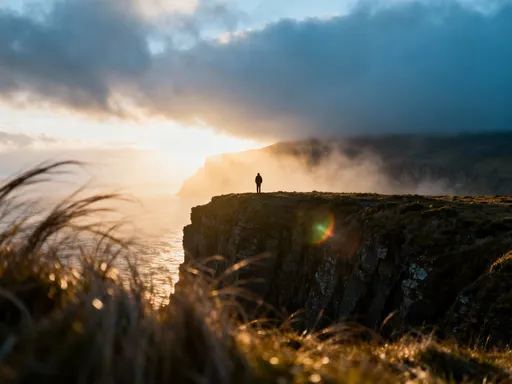
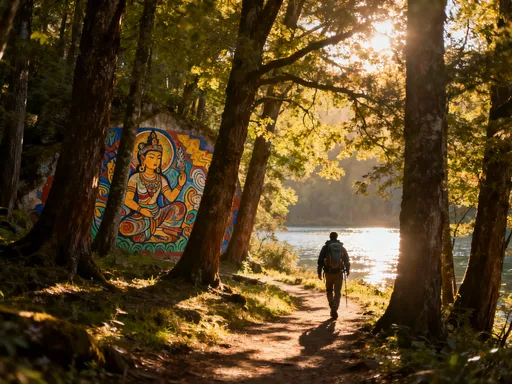
For visitors, the network of forest trails offers multiple vantage points. One popular route leads to a cliffside overlook where the archipelago stretches into the distance, dotted with small, forested islands. In autumn, the mix of pine and birch trees creates a tapestry of green, gold, and crimson—a sight that draws photographers and nature lovers alike. The island is also home to the Ruissalo Botanic Garden, which showcases native and exotic plant species in themed sections, from Finnish wetlands to alpine rock gardens.
Accessibility is straightforward: public ferries depart from the city’s western docks, with increased frequency during summer months. Bicycles are welcome on board, making it easy to explore the island’s full length. Visitors are encouraged to follow low-impact practices—staying on marked paths, avoiding littering, and respecting quiet zones. This mindfulness is part of Turku’s broader cultural ethos: enjoyment of nature without domination over it. Whether you come for solitude, scenic beauty, or historical intrigue, Ruissalo offers a peaceful counterpoint to urban life, reminding us that culture is not only built but also grown.
The Archipelago Trail: A Cultural Vista Beyond the City
To truly understand Turku’s cultural reach, one must venture beyond the mainland. The Archipelago Trail, a 250-kilometer scenic route connecting over 200 islands, offers an unparalleled perspective on coastal Finnish life. While Turku serves as the gateway, the trail reveals a world shaped by tides, seasons, and self-reliance. Each island community, though small, maintains its own rhythms—fishing in spring, berry picking in summer, boat maintenance in autumn. The viewpoints along the way are not just scenic; they are cultural snapshots.
One of the most evocative stops is Kakskerta Church, a 17th-century wooden chapel perched on a rocky shore. Surrounded by grazing sheep and wildflowers, the church stands as a symbol of spiritual continuity. Locals gather here for summer services and weddings, preserving traditions that date back centuries. The acoustics of the wooden interior amplify hymns in a way that feels both intimate and timeless. Nearby, a small harbor offers views of fishing boats bobbing in the bay, their owners mending nets or preparing for the next catch.
The trail can be explored by car, bicycle, and ferry, with well-marked signage guiding the way. Key lookouts include the cliffs of Korpoström, where the open sea meets sheltered inlets, and the village of Houtskär, known for its red-painted cottages and maritime museum. These communities speak a distinctive dialect and maintain customs—like the use of traditional smoke saunas—that distinguish them from mainland Finland. Visitors are welcomed with quiet hospitality, though discretion is appreciated; these are working communities, not theme parks.
Respectful engagement enhances the experience. Stopping at local kiosks to buy handmade jams or freshly caught fish supports the economy and fosters connection. Timing visits to coincide with seasonal festivals—such as the Midsummer bonfires or the autumn fish market—adds depth. The Archipelago Trail is not about ticking off sights; it’s about absorbing a way of life shaped by isolation, resilience, and deep connection to the sea. From these elevated coastal viewpoints, one gains not just a panorama, but a profound understanding of Finland’s maritime soul.
Modern Viewpoints: Turku’s Living Culture
While Turku honors its past, it is far from frozen in time. The city’s contemporary cultural scene thrives in dynamic spaces that blend innovation with tradition. One standout is Aboa Vetus & Ars Nova, a museum uniquely situated within excavated medieval ruins. Here, archaeological remains of 15th-century homes and streets are preserved beneath a modern gallery showcasing contemporary art. The juxtaposition is deliberate—inviting visitors to see history not as a relic, but as a foundation for new expression. Glass floors allow you to walk above ancient foundations while viewing modern installations, creating a powerful dialogue across centuries.
Rooftop terraces offer another modern perspective. Restaurants like Villa Torponen and Ruo provide elevated views of the city skyline, especially beautiful at twilight. These spaces are popular among locals for weekend gatherings, where conversation flows as freely as craft beer and berry cocktails. The design aesthetic—minimalist, functional, nature-inspired—echoes broader Finnish values. Even in urban settings, there is an emphasis on light, wood, and openness, reflecting a cultural desire for balance between indoors and outdoors.
Turku’s status as a university city also fuels its cultural vitality. Student life brings energy to neighborhoods like Kupittaa and Runosmäki, where pop-up galleries, live music venues, and design shops flourish. The annual Turku Music Festival and the Medieval Market attract thousands, yet retain an intimate, community-driven feel. These events are not staged for tourists alone—they are participatory, inviting everyone to dress in period costumes, try traditional baking, or join a folk dance.
The Design District, centered around the old factory buildings of Hirvensalo, showcases Finland’s legacy of functional beauty. Local artisans create ceramics, textiles, and furniture that honor craftsmanship while embracing modern needs. Workshops often welcome visitors, offering hands-on experiences in pottery or weaving. These interactive moments—more meaningful than any souvenir—allow travelers to carry a piece of Turku’s culture home in the form of skill and memory. In this way, modern Turku does not replace tradition; it reinterprets it for a new generation.
How to Experience Turku Like a Local
To truly connect with Turku’s culture, one must slow down. Finns value stillness, observation, and meaningful interaction over rushed sightseeing. Begin by adopting a slow travel mindset: spend at least two full days in the city, allowing time for unplanned discoveries. Use the city’s public bike-sharing system to explore at a human pace. Cycling along the Aura River or through the leafy streets of the old town lets you notice details—window boxes in bloom, a grandmother knitting on her porch, the scent of baking bread—that fleeting car tours miss.
Engage with residents whenever possible. A simple “hyvää päivää” (good day) in Finnish, even if imperfectly pronounced, often elicits a warm smile. Visit neighborhood saunas, such as those at the Turku Swimming Hall, where locals gather for relaxation and quiet conversation. Sauna culture is more than hygiene—it’s a social ritual, a space for reflection and connection. Respect the customs: silence is common, and phones are rarely used.
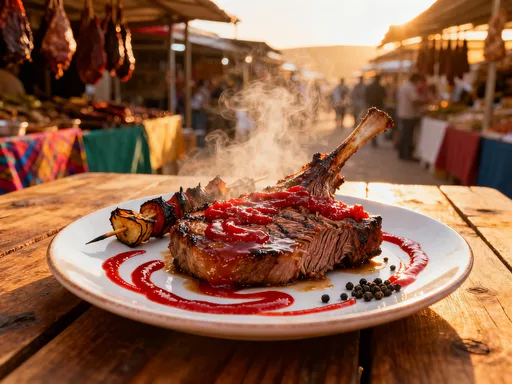
Choose off-peak times for major attractions. Arriving at Turku Castle just after opening or visiting the Archipelago Trail in late September, after the summer rush, allows for more personal experiences. Dine at local favorites rather than tourist-oriented restaurants—look for places where menus are in Finnish first, with English translations. Try traditional dishes like kalakukko (a fish pie), lihapullat (Finnish meatballs), or mustamakkara (black sausage), often served with lingonberry jam and boiled potatoes.
Finally, practice quiet observation. Sit on a bench by the river and watch the light change. Attend a service at Turku Cathedral not as a spectacle, but as a moment of presence. These acts of stillness are not passive—they are active forms of cultural listening. In a world that often prioritizes speed and spectacle, Turku invites a different way of traveling: one rooted in depth, respect, and genuine connection.
Conclusion
Turku’s greatest views are not merely scenic—they are layered with stories of survival, adaptation, and quiet pride. From the ramparts of its medieval castle to the whispering forests of Ruissalo, from the working harbors of the archipelago to the evolving galleries of the city center, each viewpoint offers more than a photograph. It offers insight. The city does not shout its history; it reveals it gradually, to those willing to look closely and stay awhile.
In a fast-moving world, Turku stands as a reminder that cultural understanding cannot be rushed. It grows from elevation and stillness, from conversations with strangers and moments of solitude. It comes from tasting local food, hearing the rhythm of a dialect, feeling the texture of ancient stone. To travel here is not to consume sights, but to participate in a living tradition—one that values authenticity over spectacle, continuity over change, and connection over convenience.
So let Turku challenge your idea of what travel can be. Seek not just the panorama, but the meaning behind it. Let the river guide you, the forests calm you, and the history humble you. In doing so, you won’t just see Turku—you’ll begin to understand it. And in understanding, you may find a deeper way to move through the world: with curiosity, respect, and an open heart.