You Won’t Believe These Hidden Urban Gems in Quebec City
Quebec City isn’t just about cobblestone streets and historic charm—its urban spaces hold secret spots most tourists miss. I wandered beyond Old Town and discovered vibrant street art, quiet plazas, and modern design tucked between centuries-old walls. This is a city where the past and present coexist in surprising ways. If you’re looking for authenticity beyond the postcard views, you gotta check this out.
The Unexpected Pulse of Quebec’s Urban Landscape
Quebec City is often celebrated for its European ambiance and well-preserved 17th-century architecture, but beneath its classic façade lies a dynamic urban heartbeat. While Old Quebec draws millions with its fortified walls and UNESCO World Heritage status, the city’s true evolution unfolds in districts like Saint-Roch and Limoilou, where innovation thrives without erasing history. These neighborhoods, once overlooked industrial zones, have transformed into cultural and creative hubs, offering a refreshing contrast to the more tourist-heavy sectors. The shift reflects a broader vision: to honor heritage while embracing contemporary urban life.
What makes Quebec City’s urban renewal unique is its sensitivity to scale and context. Unlike cities that bulldoze the old for the new, Quebec integrates modernity with reverence. In Saint-Roch, for example, renovated factory buildings now house design studios, tech startups, and boutique cafés, their red-brick exteriors preserved as a nod to the past. Wide sidewalks, public art installations, and pedestrian-first planning invite exploration and interaction. The district pulses with energy during the day and glows with warmth at night, thanks to thoughtfully lit storefronts and communal gathering spots.
Limoilou, further east, tells a similar story of reinvention. Once a working-class neighborhood with a strong manufacturing legacy, it has become a canvas for urban experimentation. Community gardens, pop-up markets, and local festivals animate its streets, fostering a strong sense of belonging. The city’s investment in public infrastructure—such as improved crosswalks, bike lanes, and green corridors—has made these areas more accessible and inviting. For visitors, this means an opportunity to experience Quebec not just as a museum piece, but as a living, breathing city that values both memory and momentum.
Street Art That Tells a Story
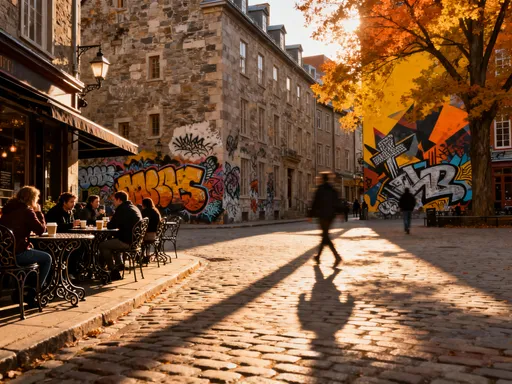
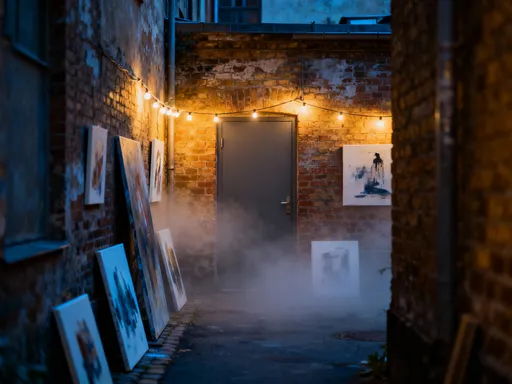
One of the most vivid expressions of Quebec City’s modern identity is its street art. Far from random graffiti, the city’s murals are carefully curated, often commissioned through public programs that support local artists and revitalize neglected spaces. These works are more than decoration—they are narratives in color, depicting historical figures, cultural themes, and social messages that resonate with residents and visitors alike. Walking through certain alleys feels like flipping through the pages of an open-air storybook.
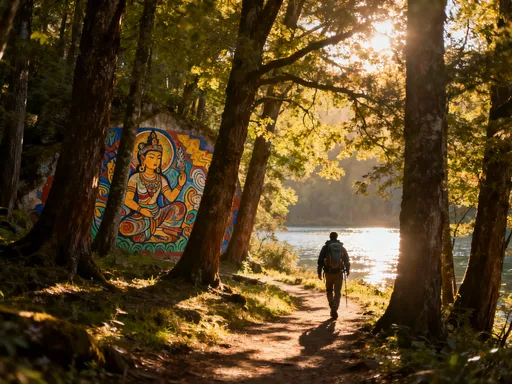
In Saint-Roch, the mural on the side of the Édifice Price extension stands out as a landmark. It features a whimsical, larger-than-life portrait of a woman surrounded by swirling patterns and local flora, blending surrealism with regional symbolism. Nearby, on Rue Saint-Joseph, entire building facades become canvases, transforming plain walls into vibrant landmarks. These artworks do more than beautify—they reclaim spaces that might otherwise feel sterile or forgotten, turning them into destinations in their own right.
Another hotspot is the Quartier des Spectacles, where temporary installations and seasonal exhibitions keep the artistic energy fresh. During summer festivals, artists often paint live in front of audiences, creating a performative dimension to the creative process. This transparency fosters connection between the public and the art, demystifying the craft and inviting appreciation. Even smaller interventions—like stenciled poems on sidewalks or mosaic tiles embedded in alleyways—add layers of charm and surprise.
What’s particularly moving is how these artworks reflect community pride. Many murals honor local legends, from poets to labor activists, embedding civic memory into the urban fabric. Schools and community centers frequently partner with artists to create pieces with youth, ensuring intergenerational dialogue. For a visitor, this means encountering not just aesthetics, but soul—a city that uses art to speak, remember, and dream.
Hidden Plazas and Pocket Parks
Amid the rhythm of city life, Quebec offers oases of calm in the form of hidden plazas and intimate green spaces. These small-scale environments provide essential breathing room, allowing residents and visitors to pause, reflect, or simply enjoy the moment. Unlike grand parks that demand a dedicated visit, these pocket spaces are woven into the daily commute, making serenity accessible rather than exceptional.
Place de l’Youville is a prime example. Nestled between historic buildings and modern offices, this compact plaza features a circular fountain, stone benches, and seasonal flower arrangements. By day, it’s a quiet spot for a coffee break; by evening, the soft glow of lampposts creates a cozy ambiance. The space hosts occasional markets and musical performances, but even in stillness, it radiates warmth. Its design—symmetrical yet unpretentious—invites lingering without overwhelming, a rare quality in urban planning.
Parc de l’Esplanade, located just outside the city walls near the Terrasse Dufferin, offers a different kind of retreat. Stretching along the edge of the historic district, it provides sweeping views of the St. Lawrence River while maintaining a low-key presence. Tree-lined pathways, open lawns, and scattered seating areas make it ideal for families, joggers, or solo walkers. In winter, parts of the park transform into a natural skating trail, blending recreation with scenic beauty. The park’s success lies in its versatility—designed for both solitude and social gathering, it adapts to the needs of the moment.
Other gems include the Jardin des Presses at the National Assembly, a tranquil garden open to the public, and smaller green nooks like the courtyard at the Musée de l’Amérique francophone. These spaces, though modest in size, are rich in intention. They reflect a philosophy that values quality over quantity, proving that even a few trees and a bench can elevate the urban experience. For the mindful traveler, seeking out these quiet corners offers a deeper connection to the city’s heartbeat.
Modern Architecture Meets Historic Context
Quebec City’s architectural landscape is a masterclass in balance. While its historic core remains protected and preserved, the city has not shied away from contemporary design. Instead, it has embraced new construction as an opportunity to dialogue with the past, creating spaces that are both forward-looking and respectful. Nowhere is this more evident than at the Musée national des beaux-arts du Québec (MNBAQ) and its surrounding campus, a model of how modernity can enhance rather than disrupt heritage.
The MNBAQ’s recent expansion, including the striking Pierre Lassonde Pavilion, showcases clean lines, glass facades, and open atriums that flood the interior with natural light. Yet, the building’s height, materials, and orientation were carefully considered to harmonize with the adjacent Plains of Abraham and the city’s skyline. The result is a structure that feels both bold and humble, asserting its presence without dominating. Inside, the galleries are designed to create a seamless flow between exhibitions, enhancing the visitor experience while maintaining a sense of calm.
What sets this project apart is its integration into the urban fabric. The museum campus now includes public walkways, green spaces, and outdoor sculptures, turning what was once a closed-off institution into a communal destination. Families picnic on the lawns, students sketch by the fountains, and tourists wander freely between indoor and outdoor exhibits. This openness reflects a broader shift in how public institutions are imagined—not as isolated monuments, but as living parts of the city.
Elsewhere, smaller architectural interventions echo this philosophy. In Saint-Roch, the redesign of the old post office into a cultural center preserved its neoclassical façade while introducing modern interiors for events and exhibitions. Similarly, new residential buildings in Limoilou use muted tones and traditional materials like stone and wood to blend with their surroundings. These choices reflect a deep understanding of context, proving that innovation does not require erasure. For visitors, this means encountering a city that is not frozen in time, but thoughtfully evolving.
Café Culture and Urban Social Life
Cafés in Quebec City are more than places to grab a coffee—they are anchors of community life, especially in emerging neighborhoods. In Saint-Roch and Limoilou, independent coffee shops have become informal town halls, where locals meet, work, and connect. These spaces, often housed in repurposed buildings, radiate warmth through their design: exposed brick walls, wooden tables, and large windows that invite the outside in.
One such café, nestled on a quiet corner of Rue Saint-Joseph, offers pour-over coffee sourced from ethical farms and homemade pastries that sell out by midday. Its sidewalk seating, shaded by green awnings, becomes a front-row seat to neighborhood life. In the mornings, parents with strollers pause for a latte; in the afternoons, freelancers settle in with laptops; by evening, friends gather for herbal tea and conversation. The rhythm of the day unfolds naturally, shaped by human presence rather than commercial urgency.
What makes these cafés thrive is their integration into the urban ecosystem. Bike racks are standard, encouraging eco-friendly commutes. Many are located near transit stops or pedestrian zones, making them easy to access without a car. Seasonal adjustments—like heated terraces in winter or shaded pergolas in summer—ensure year-round usability. Some even host poetry readings, art displays, or small concerts, blurring the line between commerce and culture.
These businesses also reflect a broader trend of local empowerment. Owners often source ingredients from nearby farms, collaborate with neighborhood artists, and support community initiatives. This interconnectedness fosters trust and loyalty, turning customers into regulars and regulars into friends. For visitors, stepping into one of these cafés is not just a transaction—it’s an invitation to belong, even if just for an hour. In a world of chain stores and digital isolation, such spaces feel like quiet acts of resistance, preserving the human scale of city life.
Getting Around: Walking, Biking, and Public Transit
Navigating Quebec City is an experience in itself, thanks to its emphasis on walkability, cycling, and accessible public transit. The city’s compact layout, especially in the core districts, makes exploration on foot not only feasible but delightful. Sidewalks are well-maintained, signage is clear, and pedestrian crossings are frequent, encouraging safe and leisurely movement. For those willing to wander, the reward is constant discovery—unexpected murals, hidden courtyards, or the aroma of fresh bread drifting from a bakery.
Cycling has also gained momentum, with an expanding network of dedicated bike lanes and the Bixi bike-share program offering convenient access. Routes along the St. Lawrence River and through the Plains of Abraham provide scenic, low-traffic options for both commuters and recreational riders. Even in winter, the city maintains cleared pathways for snow biking and walking, ensuring year-round mobility. Helmets are widely used, and safety campaigns have helped foster a culture of mutual respect between cyclists, pedestrians, and drivers.
Public transit, operated by the Réseau de transport de la Capitale (RTC), connects key neighborhoods with reliable bus service. The articulated buses are equipped with bike racks and low floors for accessibility, and real-time tracking apps make planning seamless. For visitors, a day pass offers unlimited rides, making it easy to hop between Saint-Roch, Old Quebec, and the museum district without relying on a car. The system is particularly efficient during peak hours and special events, when traffic can slow in certain zones.
Seasonal events also influence mobility. In summer, the closure of certain streets to vehicles during festivals creates car-free zones ideal for strolling and socializing. Winter brings the Carnaval de Québec, when heated walkways and shuttle services help visitors navigate the cold in comfort. These adaptations show a city that plans not just for convenience, but for joy—designing transit to enhance, rather than hinder, the urban experience.
Why Quebec’s Urban Spaces Feel Truly Alive
What sets Quebec City apart is not any single monument or policy, but the cumulative effect of thoughtful, human-centered design. Its urban spaces feel alive because they are built for people, not just for show. Every bench, mural, café, and bike lane contributes to a larger vision—one where history is not a barrier to progress, but a foundation for it. The city’s ability to blend the old and new with grace offers a powerful lesson for urban planners and travelers alike.
The emotional resonance of these spaces comes from their authenticity. They are not curated for tourists alone, but shaped by residents who live, work, and care for their neighborhoods. This organic growth fosters a sense of ownership and pride, making the city feel warm and welcoming. Even in the busiest districts, there is a quiet dignity—a respect for pace, beauty, and connection.
Quebec’s balanced approach suggests that modernity does not require demolition, and preservation does not mean stagnation. By investing in public art, green spaces, and community-driven development, the city has created an environment where both tradition and innovation can flourish. For the 30- to 55-year-old traveler—often seeking meaningful, enriching experiences—this is precisely what resonates: a destination that feels both timeless and current.
As cities around the world grapple with overcrowding, homogenization, and environmental challenges, Quebec City stands as a quiet example of what is possible. It proves that with care, vision, and community involvement, urban life can be both beautiful and functional. So the next time you visit, don’t just follow the guidebook. Step off the main streets, explore the side alleys, and let the city reveal itself, one hidden gem at a time. You might just find that the most memorable moments are the ones no one told you to see.