What If Your Hair Loss Isn’t Genetic—But Preventable?
Hair thinning used to scare me—until I realized it wasn’t just aging or genes. What if I told you most hair problems aren’t inevitable? Through personal trials and deep research, I discovered how daily habits silently impact scalp health. This isn’t about quick fixes; it’s about preventing damage before it starts. Let’s explore the hidden connections between lifestyle choices and hair resilience—because healthy hair often begins long before you notice any loss.
The Silent Threat: Why Hair Issues Are More Than Just Genetics
Many people assume that hair thinning is an unavoidable consequence of genetics or aging. While heredity does play a role in conditions like androgenetic alopecia, it’s far from the only factor influencing hair health. In fact, research suggests that up to 40% of women experience noticeable hair shedding at some point in their lives due to non-genetic causes. These include hormonal fluctuations, nutritional deficiencies, stress, and environmental exposures—factors within reach of meaningful intervention. Recognizing this shift is crucial: hair loss doesn’t have to be accepted as fate. Instead, it can serve as an early signal of internal imbalance, prompting proactive care rather than reactive treatment.
The concept of *preventive hair care* reframes how we think about hair wellness. Rather than waiting for strands to fall out or thinning to become visible, prevention focuses on supporting the scalp and follicles before damage occurs. This approach aligns with broader public health principles—just as we brush our teeth daily to prevent cavities, we can adopt routines that protect hair integrity over time. The hair growth cycle, which lasts between two to six years per strand, offers a long window for influence. Each phase—growth (anagen), transition (catagen), and rest (telogen)—can be affected by lifestyle choices. Supporting optimal function during these phases means nurturing the body holistically, not just applying topical solutions.
One of the most empowering realizations is that small, consistent actions compound over time. For example, regularly massaging the scalp improves blood flow, delivering oxygen and nutrients essential for follicle vitality. Similarly, avoiding tight hairstyles reduces mechanical stress that leads to traction alopecia, a preventable form of hair loss. These habits may seem minor, but their cumulative effect creates a foundation of resilience. When individuals begin to see hair not as a static feature but as a dynamic reflection of overall health, they gain agency. Prevention isn’t about perfection—it’s about awareness, consistency, and making informed choices that support long-term well-being.
Scalp Health 101: The Foundation of Strong, Resilient Hair
The scalp is more than just the surface where hair grows—it’s living skin, complete with sebaceous glands, blood vessels, nerves, and a microbiome. Just like facial skin, the scalp requires balance to function properly. When this balance is disrupted—by excess oil, buildup, inflammation, or microbial imbalance—the environment becomes hostile to healthy hair growth. Think of the scalp as soil: no matter how strong the seed, poor soil quality will hinder growth. A compromised scalp can lead to weakened follicles, increased shedding, and slower regrowth. Understanding the biology behind scalp health is the first step toward meaningful prevention.
Inflammation is one of the most significant yet underrecognized threats to scalp wellness. Chronic low-grade inflammation can result from factors such as stress, poor diet, or harsh hair products. It disrupts the hair growth cycle by shortening the anagen (growth) phase and pushing more follicles into the telogen (resting) phase prematurely. This process, known as telogen effluvium, often manifests as diffuse thinning across the scalp. Additionally, clogged hair follicles—caused by product residue, sweat, or environmental pollutants—can suffocate roots and contribute to folliculitis, a condition marked by red, tender bumps on the scalp. Left unaddressed, this can lead to scarring and permanent hair loss in severe cases.
pH balance also plays a critical role. The scalp’s natural pH ranges between 4.5 and 5.5, slightly acidic, which helps maintain the protective acid mantle and keeps harmful bacteria in check. Many commercial shampoos, especially those with sulfates or alkaline formulas, can disrupt this balance, leading to dryness, irritation, or increased oil production as the scalp tries to compensate. Signs of an unhealthy scalp include persistent itching, flaking (beyond normal dandruff), redness, tenderness, or visible buildup. These are not just cosmetic concerns—they are indicators of underlying dysfunction that, if corrected early, can prevent further damage. Gentle cleansing, regular exfoliation, and avoiding irritants are key steps in restoring and maintaining scalp equilibrium.
Diet & Hair: What You Eat Shows Up on Your Head
Nutrition is one of the most powerful yet overlooked levers for improving hair health. Hair is primarily made of keratin, a protein, so adequate dietary protein is essential for its structure and strength. When protein intake is insufficient—especially during periods of rapid weight loss or restrictive dieting—the body prioritizes vital organs over hair growth, leading to increased shedding. This type of hair loss, often temporary, typically appears three to four months after the dietary change. Beyond protein, several micronutrients play pivotal roles in maintaining healthy follicles and supporting the hair growth cycle.
Iron deficiency, particularly in premenopausal women, is strongly linked to hair thinning. Iron stores, measured by serum ferritin, should ideally be above 50 ng/mL for optimal hair growth, even though standard lab ranges may consider lower levels “normal.” Low iron impairs oxygen delivery to follicles, weakening their function. Zinc is another crucial mineral involved in DNA and protein synthesis; both deficiency and excess can disrupt the hair cycle. Biotin, though often marketed as a miracle supplement, is only beneficial for those with a true deficiency, which is rare. More impactful are omega-3 fatty acids, found in fatty fish, flaxseeds, and walnuts, which reduce inflammation and support scalp hydration.
Real-life improvements often follow dietary adjustments. Women who shift from processed, low-nutrient diets to whole-food patterns rich in leafy greens, lean proteins, nuts, and colorful vegetables frequently report stronger, shinier hair within a few months. One study published in the *Journal of Cosmetic Dermatology* found that women consuming a nutrient-dense diet supplemented with omega-3s and antioxidants experienced significantly less hair shedding and improved hair density compared to controls. While supplements can help fill gaps, they should not replace a balanced diet. Over-reliance on pills can lead to imbalances—too much selenium or vitamin A, for instance, has been associated with hair loss. The goal is sustainable nourishment: eating a variety of whole foods that naturally provide the building blocks for resilient hair.
Stress: The Invisible Hair Killer You Can Control
Emotional and physical stress are among the most common triggers of sudden hair shedding, a condition known as telogen effluvium. This occurs when a significant stressor—such as surgery, illness, childbirth, or prolonged emotional strain—pushes a large number of hair follicles into the resting phase all at once. About three months later, these hairs begin to fall out, often in alarming quantities. While the hair usually regrows once the stressor is resolved, the experience can be deeply unsettling, especially for women who associate thick hair with youth and vitality.
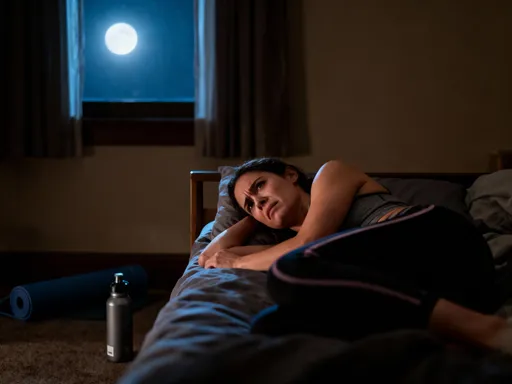
The biological mechanism behind stress-related hair loss centers on cortisol, the primary stress hormone. Elevated cortisol levels disrupt the hypothalamic-pituitary-adrenal (HPA) axis, which in turn affects hormone regulation throughout the body. This imbalance can shorten the anagen phase and accelerate the transition to telogen. Chronic stress also promotes systemic inflammation and oxidative stress, both of which impair follicle function. Furthermore, stress often leads to behaviors that compound the problem—poor sleep, skipped meals, or increased use of heat styling tools in an effort to “look put together” despite feeling overwhelmed.
The good news is that stress, while pervasive, is modifiable. Science-backed strategies can mitigate its impact on hair and overall health. Prioritizing sleep hygiene—going to bed and waking at consistent times, reducing screen exposure before bed, and creating a calming bedtime routine—supports hormonal balance and tissue repair. Mindful movement, such as yoga, walking, or tai chi, reduces cortisol and increases circulation, benefiting both the scalp and the mind. Deep breathing exercises, including diaphragmatic breathing or box breathing, activate the parasympathetic nervous system, counteracting the “fight-or-flight” response. These practices don’t require hours of commitment; even five to ten minutes daily can yield measurable benefits over time. By managing stress proactively, women can protect their hair from one of its most insidious threats.
Everyday Habits That Secretly Damage Your Hair
While internal factors like nutrition and stress are critical, external habits also play a major role in hair integrity. Many common routines—intended to enhance appearance—can cause cumulative damage. Over-washing, for instance, strips the scalp of its natural oils, leading to dryness, irritation, and rebound oiliness. Frequent use of hot water and harsh shampoos disrupts the scalp’s protective barrier, making it more vulnerable to inflammation. Similarly, excessive heat styling with flat irons, curling wands, or blow dryers weakens the hair shaft by breaking down its protein structure. Repeated exposure to high temperatures leads to cuticle damage, resulting in frizz, split ends, and breakage.
Tight hairstyles—such as high ponytails, braids, or buns worn daily—exert constant tension on the hairline and crown, a condition known as traction alopecia. This form of hair loss is entirely preventable but can become permanent if the pulling continues over years. It often starts with small, barely noticeable thinning along the temples or hairline, progressing to irreversible follicle damage. Chemical treatments, including bleach, perms, and relaxers, further compromise hair strength by altering its internal structure. When combined with heat or tight styles, the risk of breakage multiplies.
Product buildup is another silent culprit. Hair mists, gels, dry shampoos, and serums can accumulate on the scalp, clogging follicles and preventing healthy growth. This is especially true for silicone-based products, which coat the hair but don’t rinse out easily. Over time, this creates a barrier that blocks moisture and nutrients. The solution isn’t to eliminate styling altogether but to make smarter choices. Using heat tools on lower settings, allowing hair to air-dry when possible, and taking breaks from tight styles can significantly reduce damage. Switching to silk or satin pillowcases minimizes friction during sleep, reducing breakage and preserving moisture. These small, low-effort changes add up, preserving hair strength without sacrificing style.
Environmental Exposures: Pollution, Sun, and Water Quality
Modern life exposes the scalp to a range of environmental stressors that were less prevalent in previous generations. Air pollution, particularly fine particulate matter (PM2.5) and polycyclic aromatic hydrocarbons (PAHs), has been shown to generate oxidative stress on the scalp. These pollutants bind to the skin and hair, triggering inflammation and weakening follicles. Studies have found higher levels of pollutant residue on the scalps of urban dwellers, correlating with increased hair shedding and reduced growth. UV radiation from the sun is another overlooked threat. Prolonged exposure damages the hair cuticle and contributes to protein degradation, leading to dry, brittle strands and color fading.
Water quality also influences hair health. Hard water, rich in minerals like calcium and magnesium, leaves a film on hair that makes it feel stiff, dull, and harder to manage. It can also interfere with the effectiveness of shampoos and conditioners, requiring more product to achieve cleanliness—which increases the risk of buildup. Chlorine in swimming pools binds to hair proteins, causing dryness and structural damage, especially with frequent exposure. While avoiding these elements entirely may not be practical, protective measures can minimize harm.
Wearing hats or scarves during peak sun hours shields the scalp from UV damage. Some hair care brands now offer leave-in products with UV filters, though their efficacy varies. For those in polluted areas, rinsing the scalp with clean water after outdoor exposure helps remove particulates. Shower filters that reduce chlorine and mineral content are increasingly popular and may improve hair texture and manageability, though more independent research is needed to confirm long-term benefits. Protective hairstyles, such as loose braids or updos, reduce direct exposure to pollutants and friction. These strategies, while simple, form a critical layer of defense against invisible environmental threats.
Building a Realistic Prevention Routine: Small Steps, Big Results
Preventing hair loss doesn’t require drastic changes or expensive treatments. What matters most is consistency and sustainability. A realistic prevention routine integrates gentle care, nourishment, and self-awareness into daily life without becoming burdensome. The goal is not perfection but progress—making choices that support long-term scalp and hair health. A balanced approach includes cleansing, nourishing, protecting, and monitoring, all tailored to individual needs and lifestyles.
A sample weekly routine might include washing the hair two to three times with a sulfate-free, pH-balanced shampoo, depending on scalp type. Once a week, a gentle scalp exfoliant can remove buildup without irritation. Deep conditioning treatments or natural oils like argan or jojoba can be applied to the ends to prevent dryness. Scalp massages, even for just two to three minutes a day, stimulate circulation and promote relaxation. Heat styling should be limited and always used with a heat protectant. Regular trims every six to eight weeks help prevent split ends from traveling up the hair shaft.
Equally important is self-monitoring. Taking monthly photos of the scalp and hairline allows for early detection of thinning. Noticing changes in shedding—such as more hair on the brush, in the shower drain, or on pillows—can prompt timely adjustments. Keeping a simple journal to track diet, stress levels, and hair care habits can reveal patterns over time. This kind of awareness transforms hair care from a reactive chore into a proactive act of self-care. The routine doesn’t need to be elaborate; even small, mindful choices—like choosing a silk scrunchie over a tight elastic—can make a lasting difference.
Conclusion: Rethinking Hair Health as Long-Term Self-Care
Hair health is not a superficial concern—it’s a reflection of overall well-being. When viewed through this lens, caring for your hair becomes an extension of caring for your body and mind. While genetics and aging are factors beyond complete control, a significant portion of hair wellness lies within reach. Nutritional balance, stress management, gentle styling, and environmental protection all contribute to stronger, more resilient hair. The power of prevention lies in its accessibility: no miracle cures, no extreme measures, just consistent, informed choices.
Women in their 30s, 40s, and 50s often face multiple demands—career, family, aging parents—and self-care can feel like a luxury. Yet, small acts of nourishment, whether through food, rest, or mindful routines, send a message of self-respect. Healthy hair grows not from a single product or treatment, but from a lifestyle that honors internal balance. It grows quietly, day by day, when supported by patience and persistence. By rethinking hair health as a form of long-term self-care, women can reclaim agency, reduce anxiety, and embrace the natural journey of aging with confidence and grace.