How I Stay Ahead of Health Problems—Simple Moves That Actually Work
Preventive healthcare isn’t about waiting for illness to strike—it’s about daily choices that keep your body strong and resilient. I’ve learned this the hard way, after a minor health scare made me rethink everything. What I discovered wasn’t a miracle fix, but a set of practical habits that boosted my recovery and kept me feeling better longer. This is how smart prevention and smart rehab work hand in hand. These choices didn’t require drastic changes or expensive interventions. Instead, they were rooted in consistency, awareness, and small adjustments that added up to meaningful results. Over time, I realized that healing and long-term wellness aren’t separate paths—they’re part of the same journey.
The Wake-Up Call: When Prevention Was No Longer Optional
It started with something small—a lingering ache in my shoulder that I dismissed for months. I told myself it was just from carrying my child’s backpack or typing too long at the kitchen table. But when the pain began to interfere with sleep and simple tasks like reaching for a plate on the top shelf, I knew I could no longer ignore it. A visit to the physical therapist revealed tendinitis, nothing life-threatening, but a clear sign that my body had been sending signals I hadn’t been listening to. The therapist didn’t just treat the injury; she asked about my daily routine, stress levels, and how I moved throughout the day. That conversation was a turning point.
For years, I had treated my health reactively—only paying attention when something went wrong. I ate when I was hungry, rested when I collapsed, and exercised sporadically, usually after gaining a few extra pounds. But this episode taught me that waiting for symptoms to escalate often means longer recovery times and deeper imbalances. The human body is remarkably adaptive, but it has limits. When we ignore early signs—fatigue, stiffness, disrupted sleep, or frequent colds—we allow small issues to become bigger ones. Prevention, I realized, isn’t about fear or obsession with perfection. It’s about respect—respect for the complex machine that carries us through life every single day.
What surprised me most was how much my recovery depended on choices outside the clinic. The exercises helped, yes, but so did walking more, drinking water, and adjusting how I sat at my desk. My therapist explained that rehabilitation is not just about fixing an injury—it’s about identifying and correcting the habits that led to it. That shift in mindset—from fixing to preventing—was the real breakthrough. It wasn’t enough to heal my shoulder; I needed to change the conditions that allowed it to break down in the first place. That’s when I began to see prevention not as a distant goal, but as an active, daily practice woven into ordinary life.
Rehab as a Mirror: What Recovery Taught Me About Daily Habits
Rehabilitation became a kind of mirror, reflecting back the strengths and weaknesses of my everyday lifestyle. As I followed my therapy plan, I began to notice patterns. On days when I walked in the morning, my shoulder felt looser. When I drank enough water, my energy stayed more stable. But when I skipped stretching or stayed up late scrolling on my phone, the stiffness returned faster. These weren’t coincidences—they were cause-and-effect relationships I had overlooked for years. Recovery made me more aware, not just of my body, but of how my choices shaped my physical state.
One of the most revealing insights was how deeply sleep affected healing. During the first two weeks of rehab, I was still trying to keep up with my usual routine—late-night errands, early wake-ups, and weekend chores. My progress was slow. Only when I committed to a consistent bedtime did I notice real improvement. My therapist explained that tissue repair happens mostly during deep sleep, and that chronic sleep deprivation can impair immune function and delay recovery. That was a wake-up call in itself. I had always prided myself on being productive, but I was sacrificing the very foundation that made productivity possible.
Another eye-opener was the connection between stress and physical tension. I didn’t consider myself overly stressed, but during therapy sessions, my therapist pointed out how tightly I held my shoulders, even while sitting still. She suggested that emotional tension often manifests physically, especially in the neck and upper back. I began to track my mood and energy levels alongside my physical symptoms and saw a clear pattern: on days when I felt overwhelmed, my pain flared. This taught me that true healing isn’t just physical—it’s emotional and mental, too. By addressing stress through simple breathing techniques and setting clearer boundaries around my time, I saw not only faster recovery but also a greater sense of calm in daily life.
Movement That Makes a Difference—No Gym Required
One of the biggest myths I had to unlearn was that exercise has to be intense to be valuable. I used to believe that unless I was sweating through a 45-minute workout, I wasn’t doing enough. But during recovery, my therapist emphasized consistency over intensity. She prescribed daily walking, gentle stretching, and posture awareness—simple actions that didn’t require special equipment or a gym membership. At first, I doubted they would make a difference. But within weeks, I noticed improvements in my range of motion, energy levels, and even mood.
Walking became my foundation. I started with just 10 minutes a day, often while listening to a podcast or calling a friend. Gradually, I increased to 30 minutes most days. Research supports this: regular walking improves circulation, supports joint health, and helps regulate blood pressure and blood sugar. It’s also one of the most sustainable forms of exercise, especially for people with busy schedules or physical limitations. What I appreciated most was how walking created space for mental clarity. It wasn’t just physical movement—it was a form of moving meditation, helping me process thoughts and reset my nervous system.
Stretching was another game-changer. I focused on gentle, daily routines—neck rolls, shoulder stretches, and seated spinal twists—performed slowly and with attention to breath. These movements helped reduce muscle tension, improve flexibility, and prevent stiffness. My therapist explained that stretching increases blood flow to muscles and connective tissues, which aids in repair and reduces inflammation. I also paid more attention to posture, especially while working at the kitchen counter or helping my children with homework. Small adjustments—like keeping my shoulders relaxed and my screen at eye level—made a noticeable difference in how I felt by the end of the day.
The key wasn’t perfection but regularity. I didn’t need to do everything perfectly every day. What mattered was showing up consistently. Over time, these small movements became non-negotiable parts of my routine, like brushing my teeth. They didn’t take much time, but their cumulative effect was powerful. Movement, I learned, isn’t just for fitness—it’s a form of daily maintenance, a way to keep the body functioning smoothly and prevent future problems.
Fueling Recovery and Resilience: What I Actually Eat Now
Nutrition used to be confusing and overwhelming. I’d tried various diets—low-carb, intermittent fasting, juice cleanses—but they never lasted. They felt restrictive and disconnected from real life. During recovery, I shifted my focus from dieting to nourishment. Instead of asking, “What should I cut out?” I started asking, “What can I add in to support healing?” This simple change in mindset made all the difference. I began to see food not as the enemy, but as fuel—something that could actively support my body’s repair processes.
I simplified my meals around whole, minimally processed foods. I focused on vegetables, fruits, lean proteins, whole grains, and healthy fats. For breakfast, I often had oatmeal with berries and a spoonful of nut butter. Lunch might be a large salad with chickpeas, avocado, and grilled chicken. Dinner included roasted vegetables, a small portion of fish or tofu, and a side of brown rice or quinoa. I didn’t count calories or track macros. Instead, I paid attention to how I felt after eating. Foods that left me sluggish or bloated became less appealing, while those that gave me steady energy became staples.
Hydration was another critical piece. I used to drink coffee and forget water until I was thirsty. But I learned that even mild dehydration can impair concentration, increase fatigue, and slow recovery. I started carrying a reusable water bottle and aimed to refill it three to four times a day. I also included hydrating foods like cucumbers, oranges, and soups in my meals. My skin felt better, my digestion improved, and I had fewer afternoon energy crashes.
Timing also played a role. I stopped skipping meals, which I used to do when I was busy. My therapist explained that going too long without eating can spike cortisol levels, increase inflammation, and weaken immune function. Now, I aim to eat every 3–4 hours, even if it’s just a small snack like yogurt with nuts or an apple with peanut butter. This keeps my blood sugar stable and gives my body a steady supply of nutrients. I didn’t need a strict plan—just a few thoughtful adjustments that supported my body’s natural rhythms.
Sleep: The Silent Superpower in Prevention and Healing
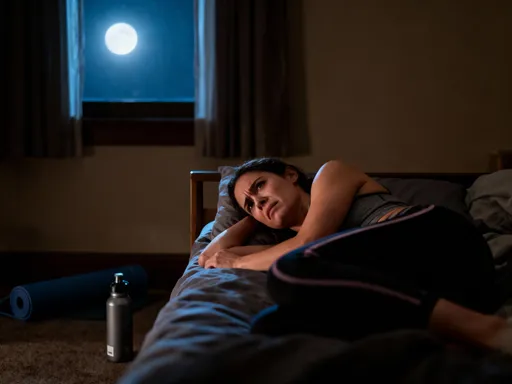
Sleep was the habit I had to fight hardest to change. For years, I wore my lack of sleep like a badge of honor—proof that I was busy, capable, and in control. But recovery forced me to confront the truth: without quality sleep, my body couldn’t heal, my mind couldn’t focus, and my mood suffered. I was irritable, forgetful, and more prone to minor illnesses. My therapist emphasized that sleep is not downtime—it’s active recovery. During deep sleep, the body repairs tissues, balances hormones, and strengthens the immune system. Chronic sleep deprivation, on the other hand, is linked to higher risks of heart disease, diabetes, and cognitive decline.
I started by setting a consistent bedtime and wake-up time, even on weekends. This helped regulate my circadian rhythm and made it easier to fall asleep and wake up naturally. I also created a wind-down routine: turning off screens an hour before bed, dimming the lights, and doing light stretching or reading. I replaced late-night scrolling with a gratitude journal, writing down three things I was thankful for each night. This simple practice helped quiet my mind and reduced anxiety about the next day’s to-do list.
My sleep environment also needed attention. I invested in blackout curtains, a comfortable mattress, and a white noise machine to block out neighborhood sounds. I kept the bedroom cool and reserved it only for sleep and intimacy—no work, no TV, no phones. These changes weren’t glamorous, but they worked. Within a few weeks, I was falling asleep faster and waking up feeling more refreshed. I no longer needed multiple cups of coffee to get through the morning. My energy was steadier, and I handled daily stress with more resilience.
Sleep became the cornerstone of my prevention strategy. It wasn’t just about healing my shoulder—it was about building a foundation for long-term health. When I prioritized rest, everything else became easier: I moved more, ate better, and managed stress more effectively. Sleep, I realized, isn’t a luxury. It’s a necessity—one of the most powerful tools we have for staying well.
Stress—The Invisible Health Thief and How to Fight It
Stress was the hardest factor to recognize because it felt so normal. Juggling work, family, and household responsibilities had become my default state. I didn’t think of it as harmful—just part of adult life. But my therapist pointed out that chronic stress triggers a constant release of cortisol, which over time can weaken the immune system, increase inflammation, and interfere with healing. It can also lead to muscle tension, digestive issues, and sleep disturbances. Stress, she explained, isn’t just in the mind—it lives in the body.
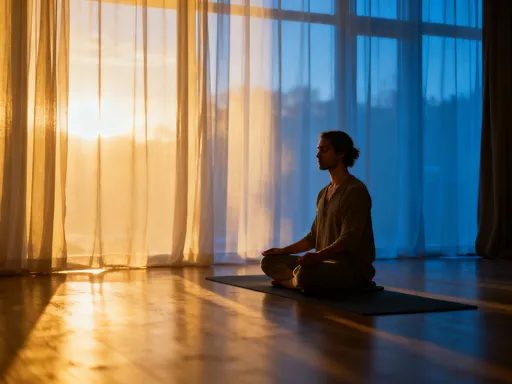
I began to track my stress signals: clenched jaw, shallow breathing, tight shoulders, and a racing mind at bedtime. Once I became aware of these signs, I could intervene. I started with simple breathing exercises—inhaling for four counts, holding for four, exhaling for six. This practice, done for just five minutes a day, helped activate my parasympathetic nervous system, the body’s natural relaxation response. I also set boundaries around technology, designating screen-free times in the evening and avoiding work emails after 8 p.m. These small acts of self-protection made a big difference.
I also learned to say no more often. I used to say yes to every request—school events, social gatherings, extra projects—out of a sense of duty or fear of disappointing others. But I realized that overcommitting drained my energy and left little room for self-care. I began to prioritize my well-being, declining invitations when I needed rest and delegating tasks when possible. This wasn’t selfish—it was sustainable. By protecting my time and energy, I showed up more fully for the things that truly mattered.
Finally, I incorporated moments of joy into my day. Whether it was sipping tea in silence, watching my children laugh, or walking through the garden, these small pleasures helped counterbalance stress. Science shows that positive emotions can buffer the effects of stress and improve overall health. I didn’t need grand gestures—just small, intentional pauses to reconnect with what brings me peace.
Building a Prevention Lifestyle—Small Steps, Big Impact
The most important lesson I’ve learned is that sustainability beats intensity. I used to chase quick fixes—extreme diets, intense workouts, miracle supplements—but they never lasted. What works is consistency, not perfection. I now focus on stacking small, manageable habits that fit into my real life. These aren’t dramatic changes, but they compound over time. Walking daily, eating balanced meals, sleeping well, and managing stress have become non-negotiable pillars of my routine.
I also listen to my body more closely. There’s no one-size-fits-all plan. Some days, I need more rest. Other days, gentle movement feels right. I’ve learned to honor those signals instead of pushing through. This self-awareness has helped me avoid setbacks and stay on track. I track progress not by the scale or the mirror, but by how I feel—my energy, my mood, my resilience.
Building a prevention lifestyle doesn’t require a complete overhaul. Start with one habit—drink more water, walk 10 minutes a day, go to bed 30 minutes earlier. Master that, then add another. Over time, these small choices create a strong foundation for long-term health. Prevention isn’t about fear or control. It’s about care—showing up for yourself every day in small, meaningful ways.
True health isn’t built in emergencies—it’s shaped daily. My rehab experience didn’t just help me recover; it showed me how to stay well. By treating prevention as an active, ongoing practice, we give ourselves the best chance to heal faster and live stronger. Always consult a healthcare professional to personalize your path—this journey is yours, but you don’t have to walk it alone.